Our series on ingested hormetic substances has reached its conclusion.
We first worked category by category through polyphenols, sulfur compounds, alkaloids, terpenoids and bitter compounds, nitrates, and the basket of other substances containing ethanol, antinutrients, and heavy metals. Then three food-focused entries took a closer look at complex everyday foods: chocolate, tea, and olive oil and coffee. This final entry gathers the scattered scores into one table and judges every ingestible hormetic substance by the same standard.
The standard uses four measures: effectiveness, safety, quality of evidence, and everyday practicality. If you want the mechanism and full backstory for any item, return to its dedicated entry.
Here is the whole scorecard at a glance.
First, the Scoring Rules
We evaluate an ingestible hormetic stressor across four dimensions that cover distinct parts of the decision. Each receives 1–5 points, with 5 being best:
- Effectiveness: How large is the net benefit for health or longevity? Net means benefits minus the harms that come with normal use. We score outcomes that matter in practice, not merely the theoretical activation of a pathway. A negative net benefit receives 0 points. That does not mean "no effect was detected"; it means the substance subtracts value, which is different from merely being useless at 1 point.
- Safety: Is there toxicity, addiction, or irreversible risk? Safety includes not only acute poisoning but quieter costs that gradually undermine health, such as caffeine disrupting sleep or alcohol creating dependence. Foods with built-in feedback—too hot to tolerate, enough to feel full, or another bodily signal that the dose has been reached—start with an advantage.
- Evidence: How much weight does the evidence carry, from cell, animal, and mechanistic work at the low end to human randomized trials and large cohorts at the high end? Remember: strong evidence does not mean a substance is useful. It can be strong evidence that the substance is ineffective or harmful, as with ethanol.
- Everyday practicality: Can an appropriate dose be obtained through normal food or habits and sustained over time? Even an effective intervention loses practical value if the dose is hard to reach or impossible to maintain.
The four dimensions combine into a 0–5-star overall rating, weighted toward real-world effectiveness and evidentiary strength. One distinction needs to be explicit: "useless" and "harmful" are not the same thing.
- 0 stars: Net benefit is negative. This is not an absence of effect but a deduction—toxicity, addiction, or carcinogenic burden is established while benefit remains unproven.
- 1–1.5 stars: Ineffective or nearly so, but largely harmless.
- 2 stars and above: A real benefit of varying magnitude; the more stars, the more reasonable the substance is to include in daily life.
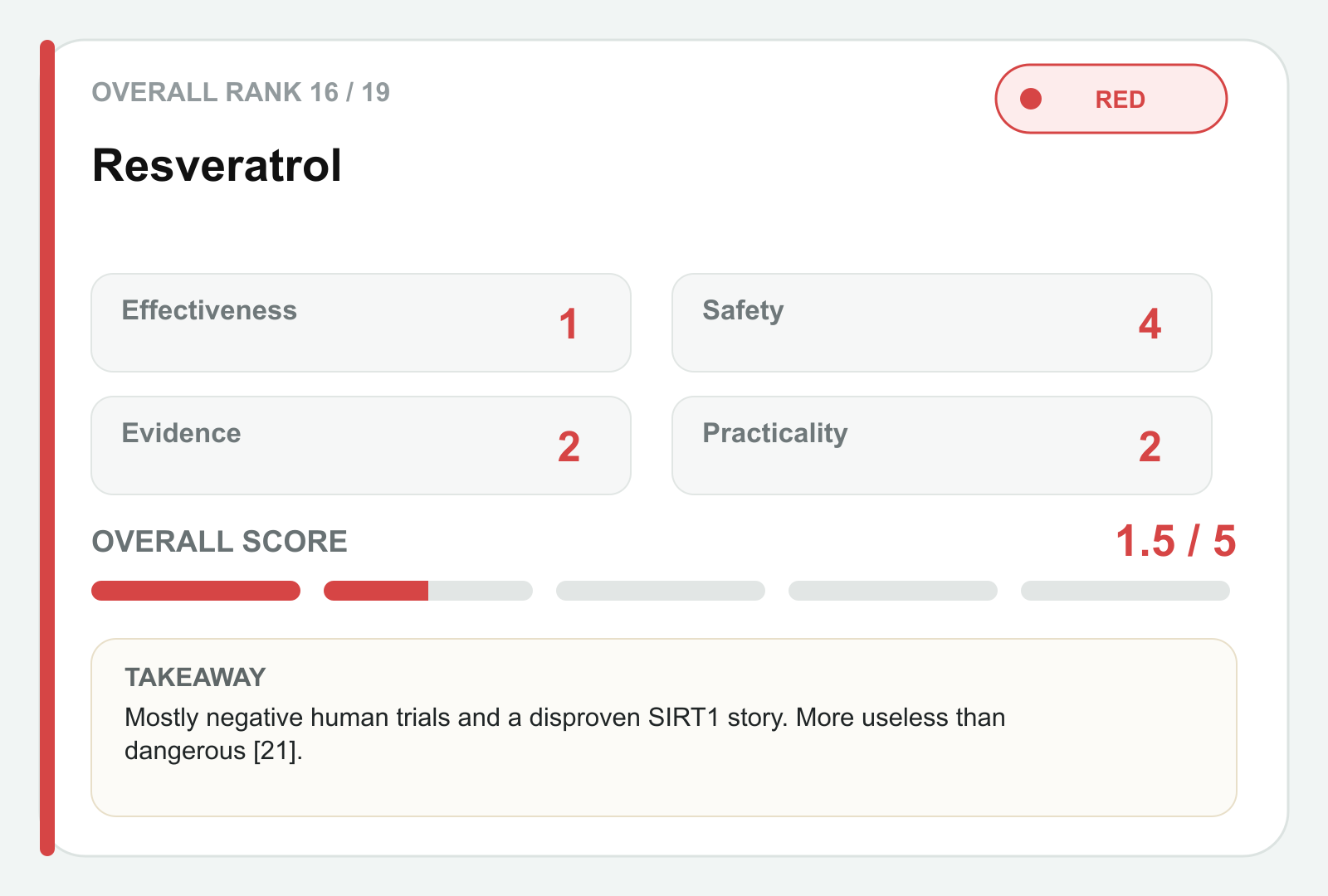
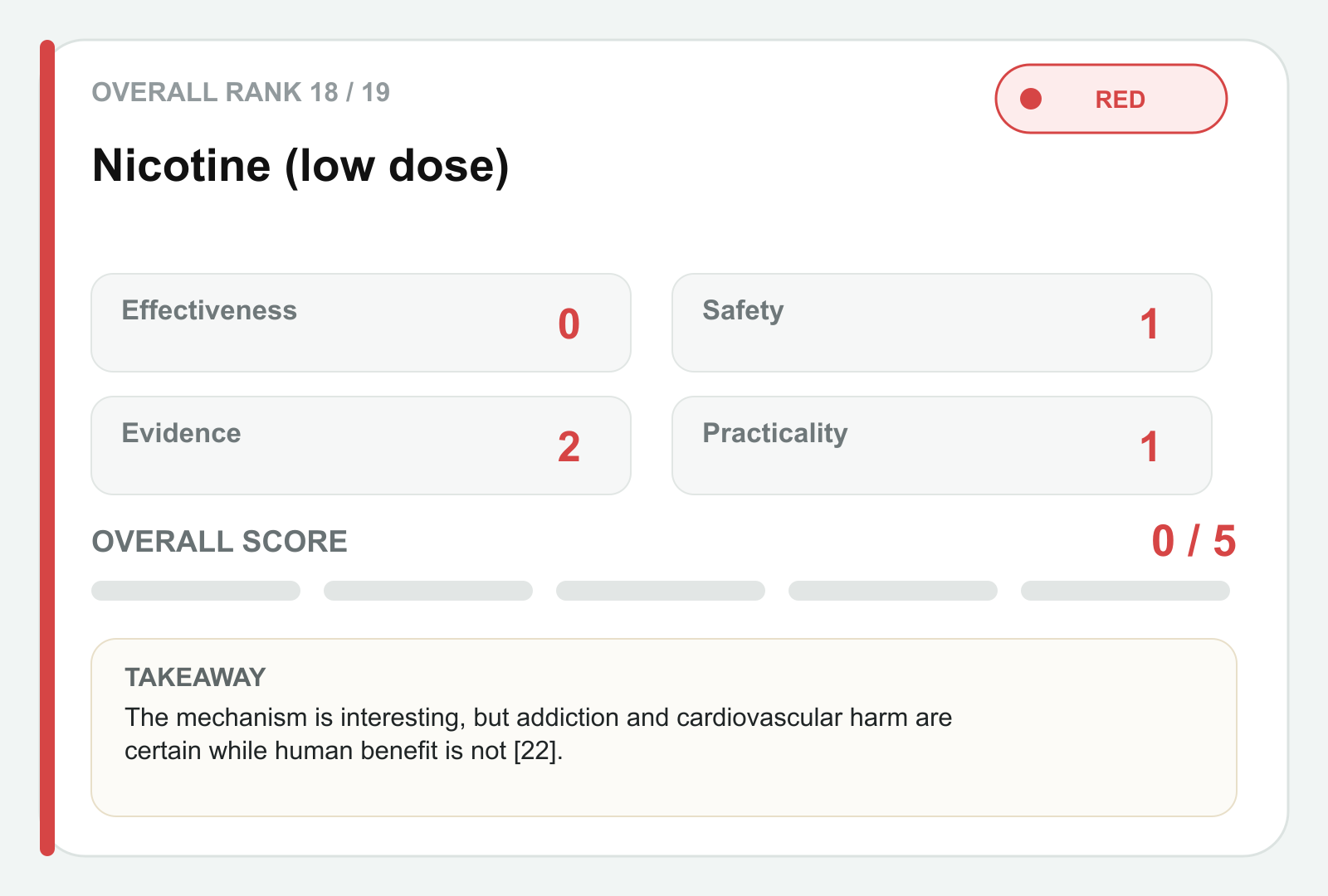
For example, resveratrol receives 1.5 stars, while ethanol, nicotine, and low-dose heavy metals receive 0. Resveratrol offers little benefit but no clear major harm; the other three impose real harm. They should not occupy the same category.
The traffic-light tiers:
- 🟢 Worth doing: reasonable to consider as part of daily life.
- 🟡 Try lightly or conditionally: use only as food, keep expectations modest, or tailor it to individual circumstances.
- 🔴 Skip or avoid: poor value, risk exceeds benefit, or the idea is purely conceptual and not something to try yourself.
The Full Ranking
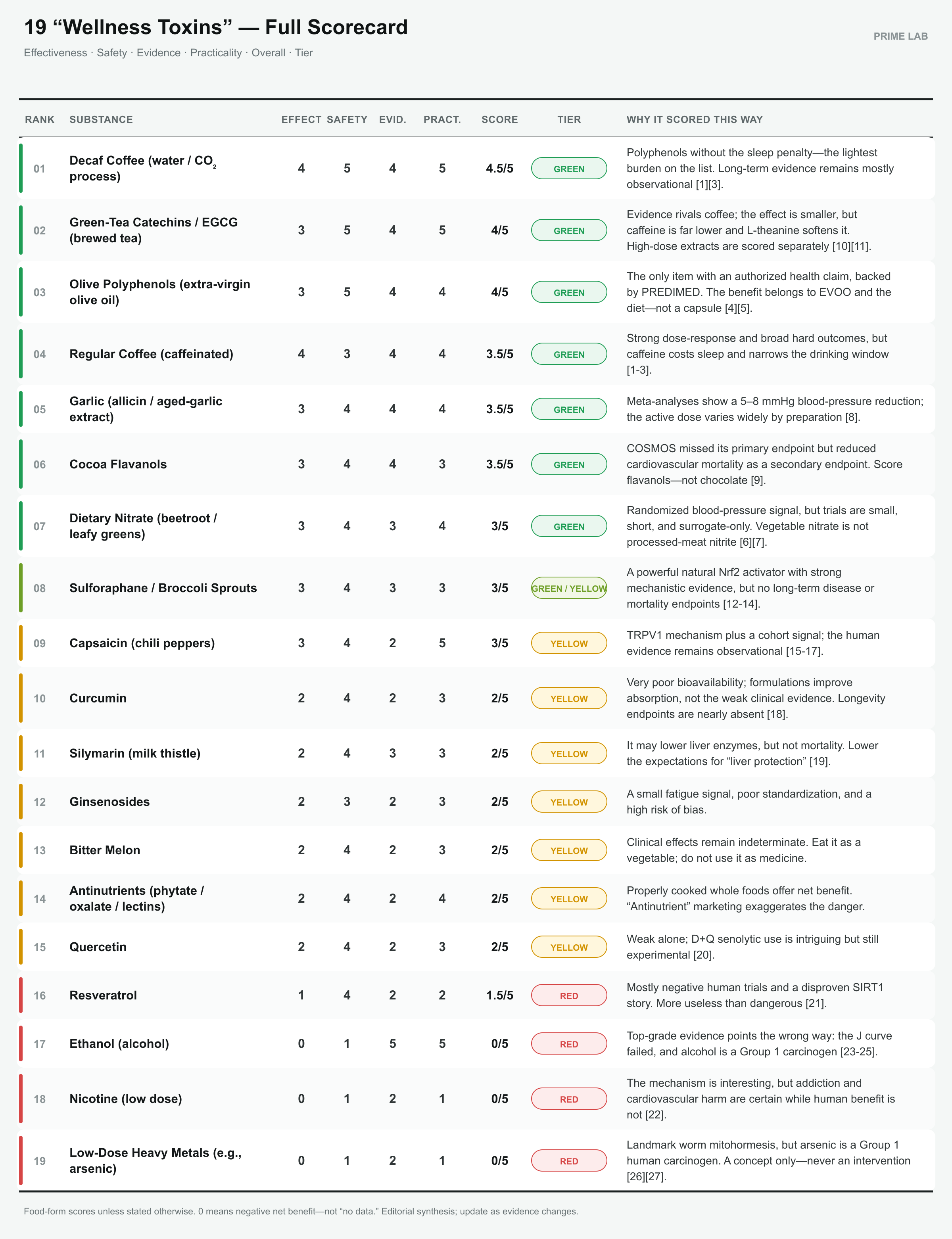
Scores for green tea, chili, bitter melon, and similar items refer to food forms. Once they become highly purified supplements, safety and overall scores must be reconsidered; see the detailed sections below. Ethanol, nicotine, and heavy metals receive 0 for effectiveness not because no effect was measured, but because their net benefit is negative: the cost is established and the benefit has never been proven.
Polyphenols
Polyphenols attract the "longevity molecule" label more than any other category, but the differences within the family are enormous.
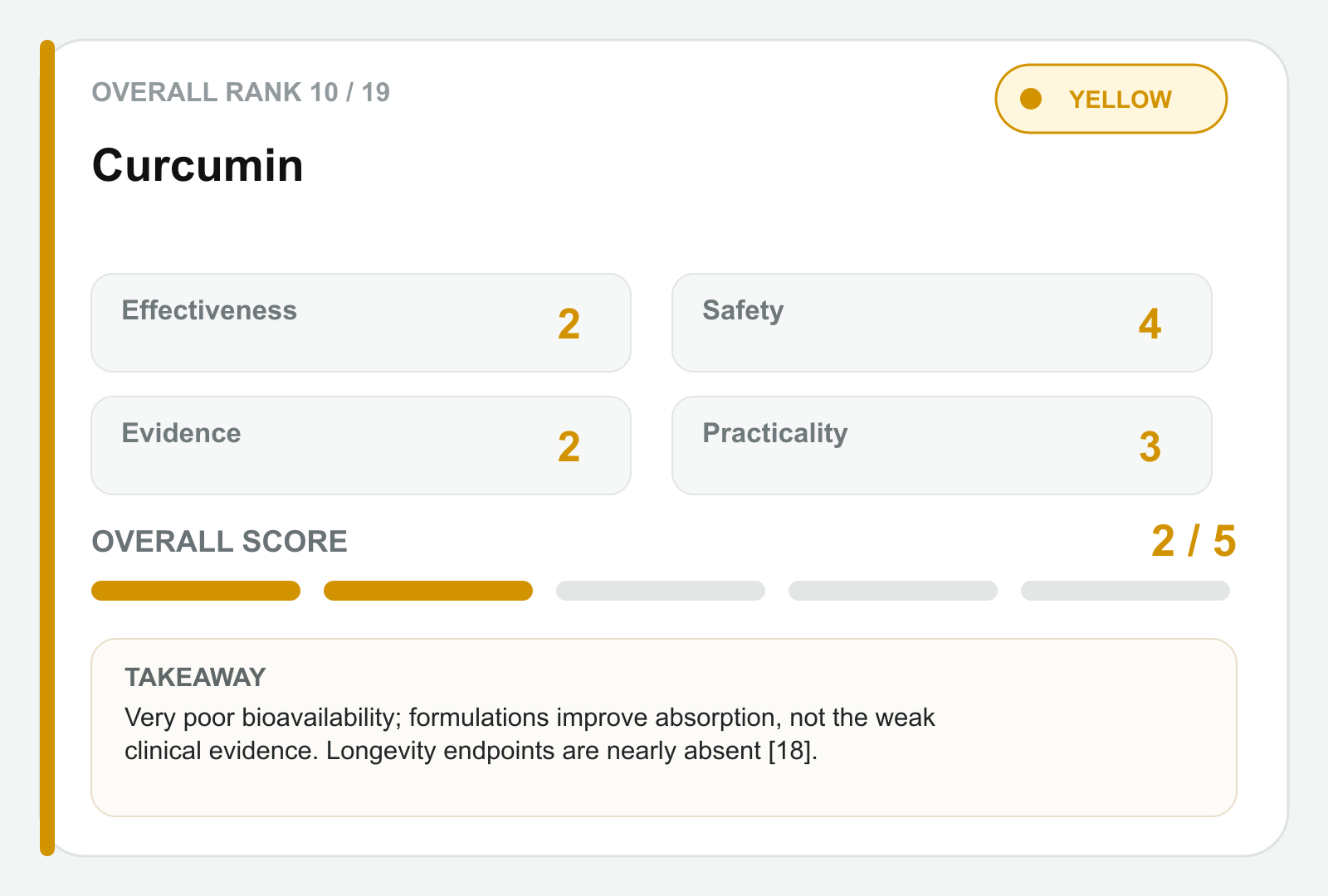
Olive polyphenols—hydroxytyrosol and oleuropein—are top performers. This is the most formally recognized item on the list: in 2011, the European Food Safety Authority approved a health claim that 5 mg per day of hydroxytyrosol and its derivatives, roughly the amount in 20 g of good extra-virgin olive oil, protects blood lipids from oxidative damage 4. The Mediterranean-diet evidence, including PREDIMED, stands behind it 5. The benefit is tied mainly to the combination of a complete dietary pattern and a good oil, not a capsule; EFSA later declined to support a new claim that olive polyphenols maintain normal HDL. Verdict: skip the extract. Replace an inferior oil with good EVOO and use it on salads. 🟢
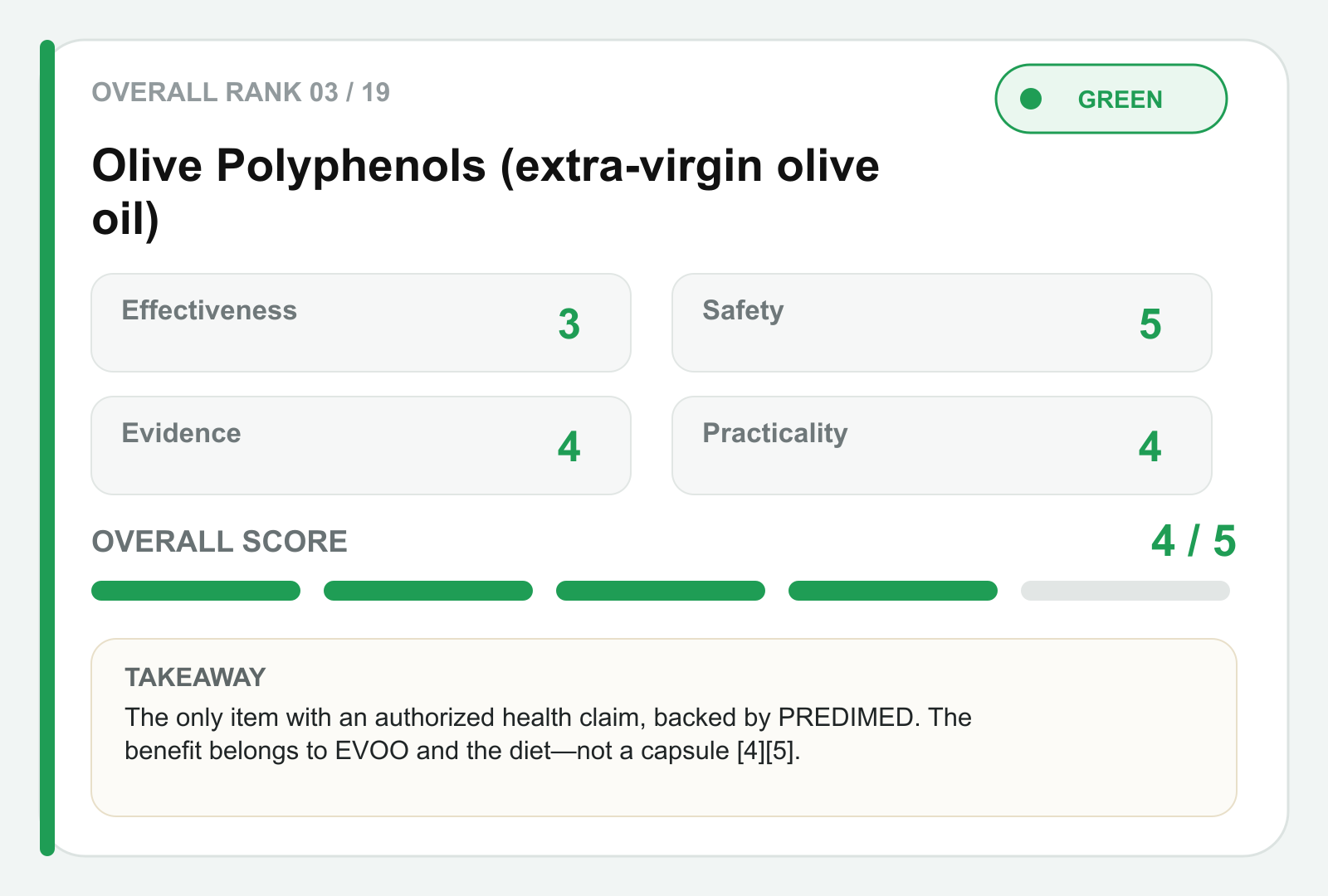
Green-tea catechins / EGCG are the classic dose-response problem. Drinking tea is safe, inexpensive, observationally associated with benefit, and easy. High-dose green-tea extract, however, has documented liver toxicity. A 2020 systematic review by the United States Pharmacopeia confirmed that concentrated extract—especially high-dose EGCG taken while fasting, around ≥800 mg per day—can cause idiosyncratic acute liver injury and therefore warrants a warning label 10,11. The same molecule can support health as tea and lead to an emergency visit as a capsule. It is a textbook example of hormesis's central rule: dose changes everything.
Why does tea rank above regular coffee in the overall table?
First, tea's evidence is not weaker than coffee's. In a pooled analysis of eight Japanese cohorts totaling 310,000 people, at least five cups of green tea per day was associated with 10%–18% lower all-cause mortality 28,29. Tea has its own umbrella reviews and even more human randomized trials than coffee, although those trials stop at surrogate endpoints such as lipids and blood pressure. Chinese readers receive another advantage: nearly all population evidence for green tea comes from East Asia—the same populations and broadly similar drinking styles. Most major coffee data come from European and American cohorts and require another layer of extrapolation.
The real gap is effect size. Under the same cohort and adjustment framework, coffee shows a steeper association. In the Japanese JPHC cohort, the all-cause mortality hazard ratio was 0.76 for three to four cups of coffee per day and 0.83–0.87 for at least five cups of green tea. Coffee also covers a broader set of hard outcomes, especially glucose metabolism and liver disease, which tea does not match. That is why coffee gets 4 for effectiveness and tea gets 3.
But this table scores net recommendability. Tea contains a fraction of coffee's caffeine, while L-theanine softens the stimulation. It fits more people, more times of day, and carries less sleep burden. Coffee pays two costs for caffeine: sleep disruption and a drinking window that should close around noon. Tea makes back the effectiveness point through safety and practicality, with room to spare. Verdict: drink tea freely; stay away from highly concentrated green-tea-extract capsules. 🟢 for tea / 🔴 for extract.
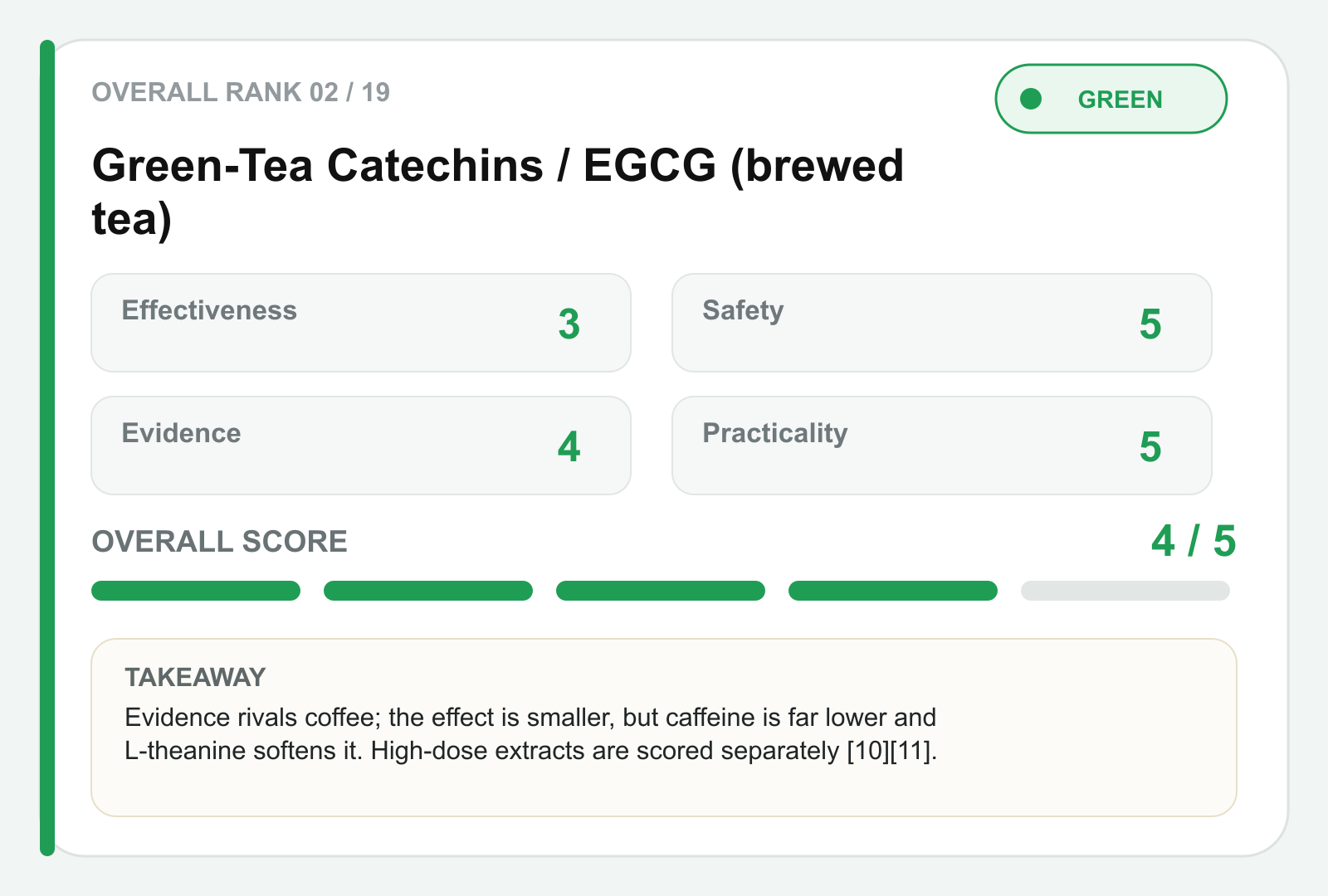
Curcumin is a celebrity with middling results. Its biggest enemy is its own extremely low bioavailability: free curcumin is barely absorbed, so piperine or nanoparticle formulations are needed to force measurable concentrations into blood. Medicinal chemists even classify it as a classic PAINS compound—a pan-assay interference compound—meaning many positive cell experiments may be artifacts 18. Human randomized trials find small to moderate changes in arthritis pain, CRP, and lipids, but quality varies; human longevity endpoints are effectively nonexistent. Verdict: curry spices in food are fine. Treat supplement claims of longer life with deep skepticism. 🟡
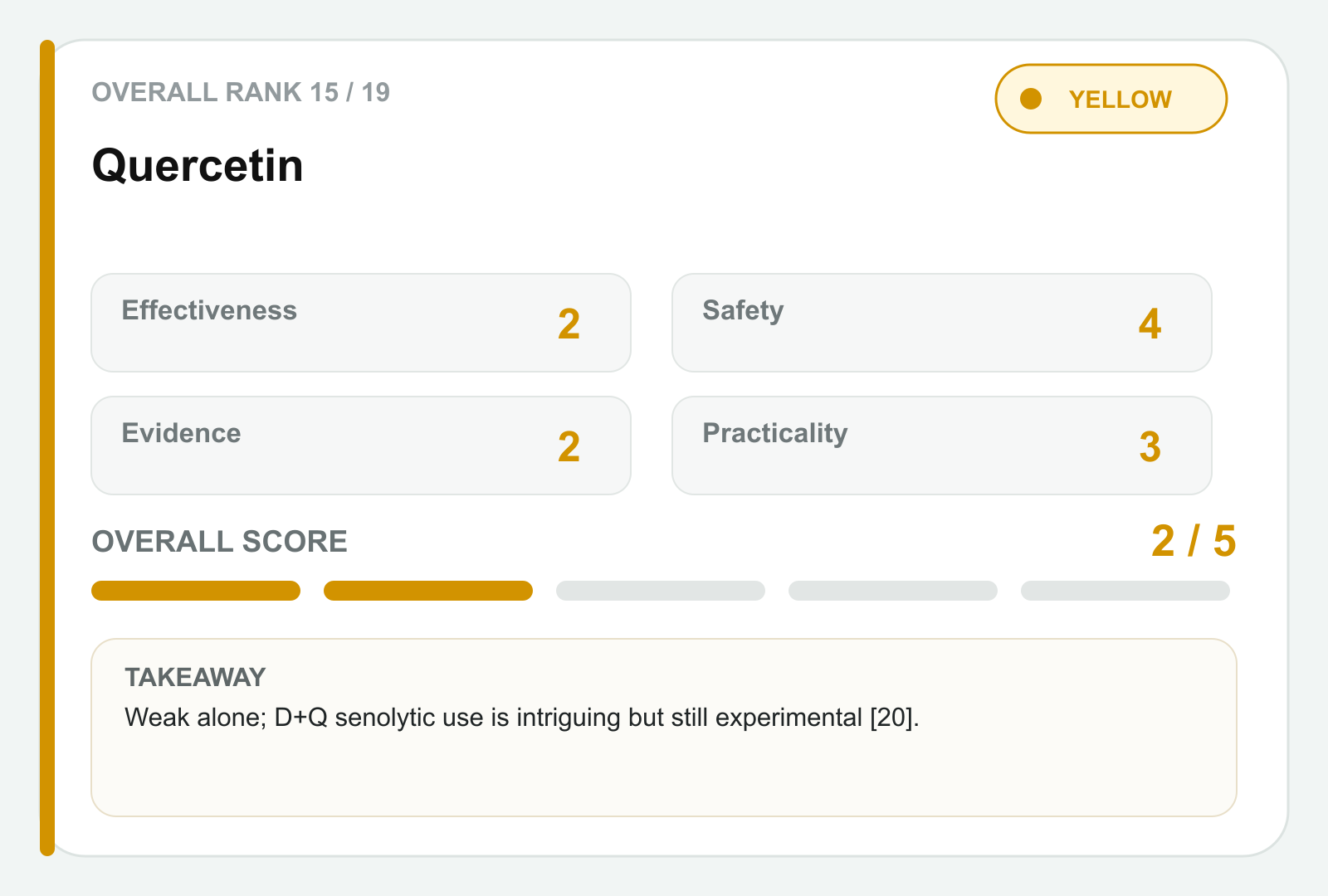
Quercetin is weak alone and intriguing in combination—but still in the laboratory. As an antioxidant supplement by itself, human benefits are small and inconsistent. Its comeback comes from senolytics: the "D+Q" protocol combining quercetin with the chemotherapy drug dasatinib. A 2019 Mayo Clinic study first found reductions in selected markers of senescent cells in humans 20, but small follow-up trials in Alzheimer's disease and cognition from 2023–2025 have been underwhelming. This remains feasibility research, not proof of treatment. Verdict: the concept is exciting, but D+Q is a research protocol. Do not improvise it at home. 🟡
Resveratrol is an important example of hype outrunning evidence. Human trials have been broadly disappointing, with metabolic, inflammatory, and cardiovascular endpoints mostly negative or weak. The once-famous story that it directly activates SIRT1 to extend life was later shown to depend partly on a fluorescent assay substrate 21. After GSK acquired Sirtris, the SRT501 program was terminated in 2010 over limited efficacy and renal safety concerns. One fair distinction: resveratrol shares a red tier with ethanol and nicotine, but not for the same reason. Resveratrol is largely useless rather than distinctly harmful, so it stays at 1.5 stars instead of 0. You are more likely to lose money than health. Verdict: the trace amount in red wine accomplishes little, and the supplement can stay on the shelf. 🔴
Sulfur Compounds
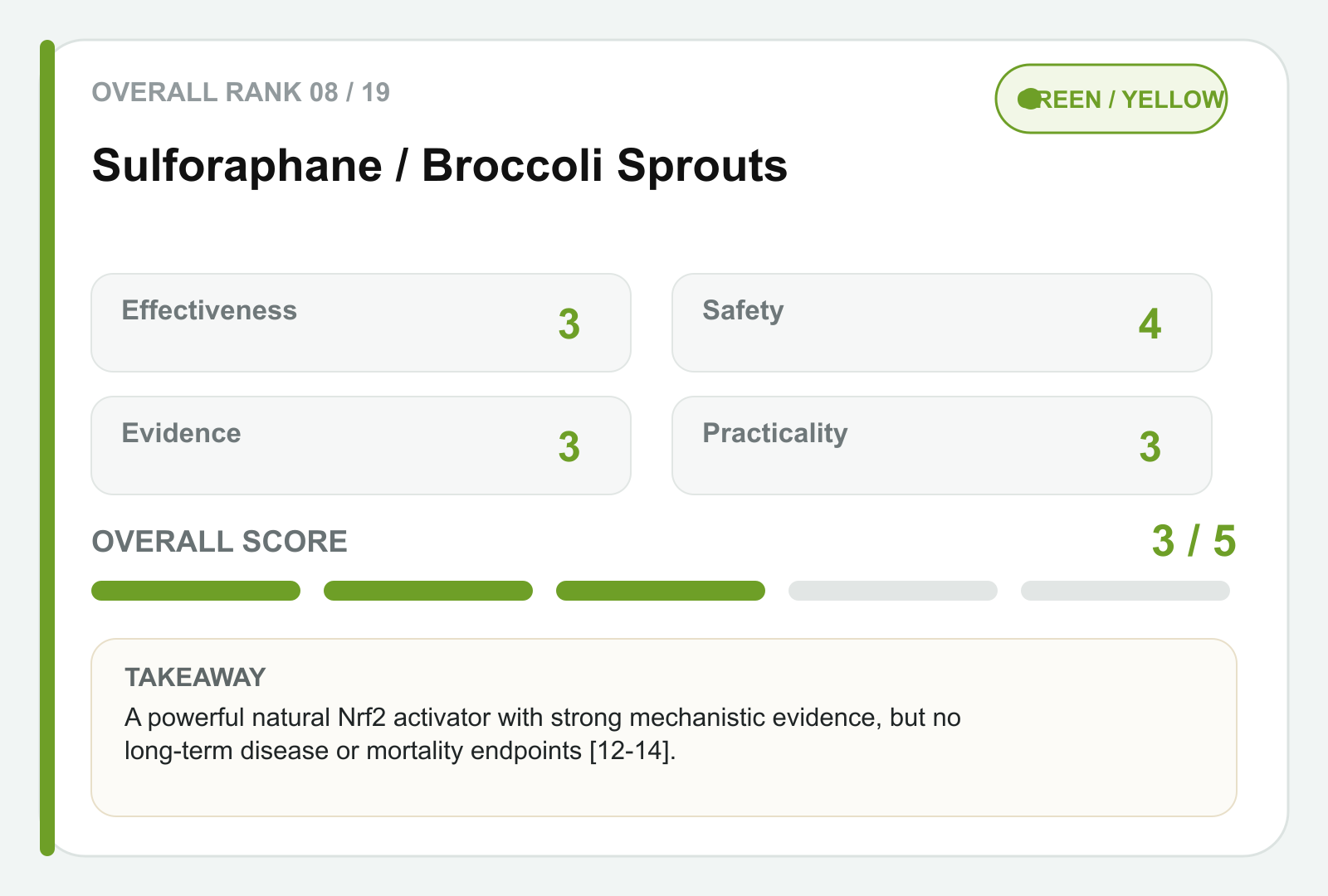
Sulforaphane / broccoli sprouts provide one of nature's strongest known activators of Nrf2. The mechanistic case is solid—activation of antioxidant response elements and upregulation of phase II detoxification enzymes 12. Small trials show positive signals for faster metabolism of air pollutants 13, while blood-glucose and H. pylori studies remain preliminary, small, and focused mostly on surrogate endpoints rather than long-term disease or mortality. Source creates another trap: fresh broccoli sprouts contain active myrosinase and are much more bioavailable than many extracts, which often lack active enzyme or fail label claims 14. Verdict: it rules the mechanism charts; in practice, simply give broccoli or sprouts a regular place on the menu. Raw sprouts can carry Salmonella or pathogenic E. coli, so pregnant people, young children, older adults, and immunocompromised people should avoid eating them raw. 🟢/🟡
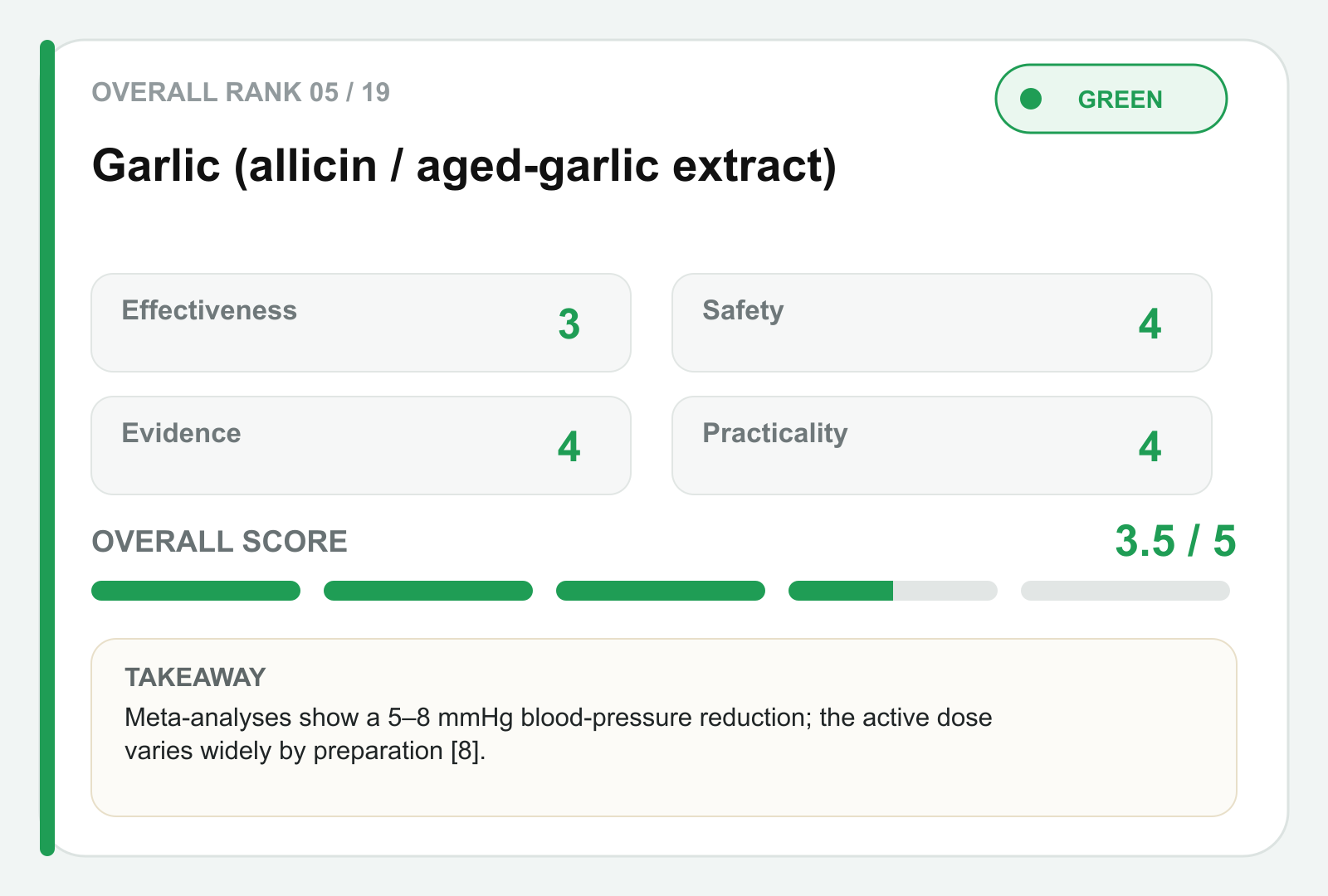
Garlic is one of the few entries backed by randomized-trial-level evidence. Multiple meta-analyses find that garlic or aged-garlic extract can lower blood pressure in people with hypertension 8 and modestly improve cholesterol 8. The key caveat is that allicin is extremely unstable, so delivered active compounds differ greatly among raw garlic, aged-garlic extract, and garlic powder. Verdict: excellent in cooking and dressings. Anyone taking anticoagulants or antiplatelet drugs, or approaching surgery, should not add high-dose garlic supplements without clinical guidance because of bleeding risk. 🟢
Alkaloids
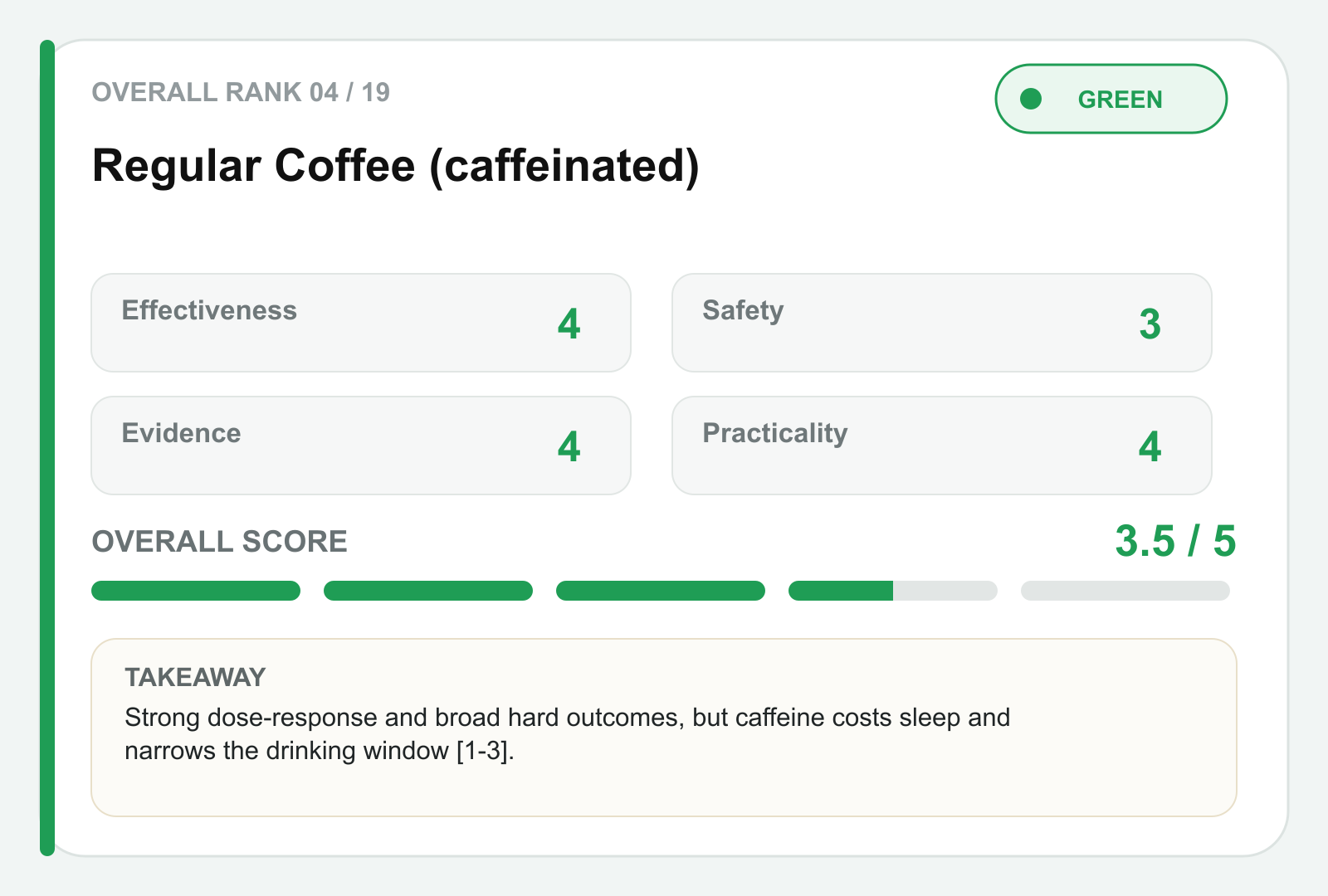
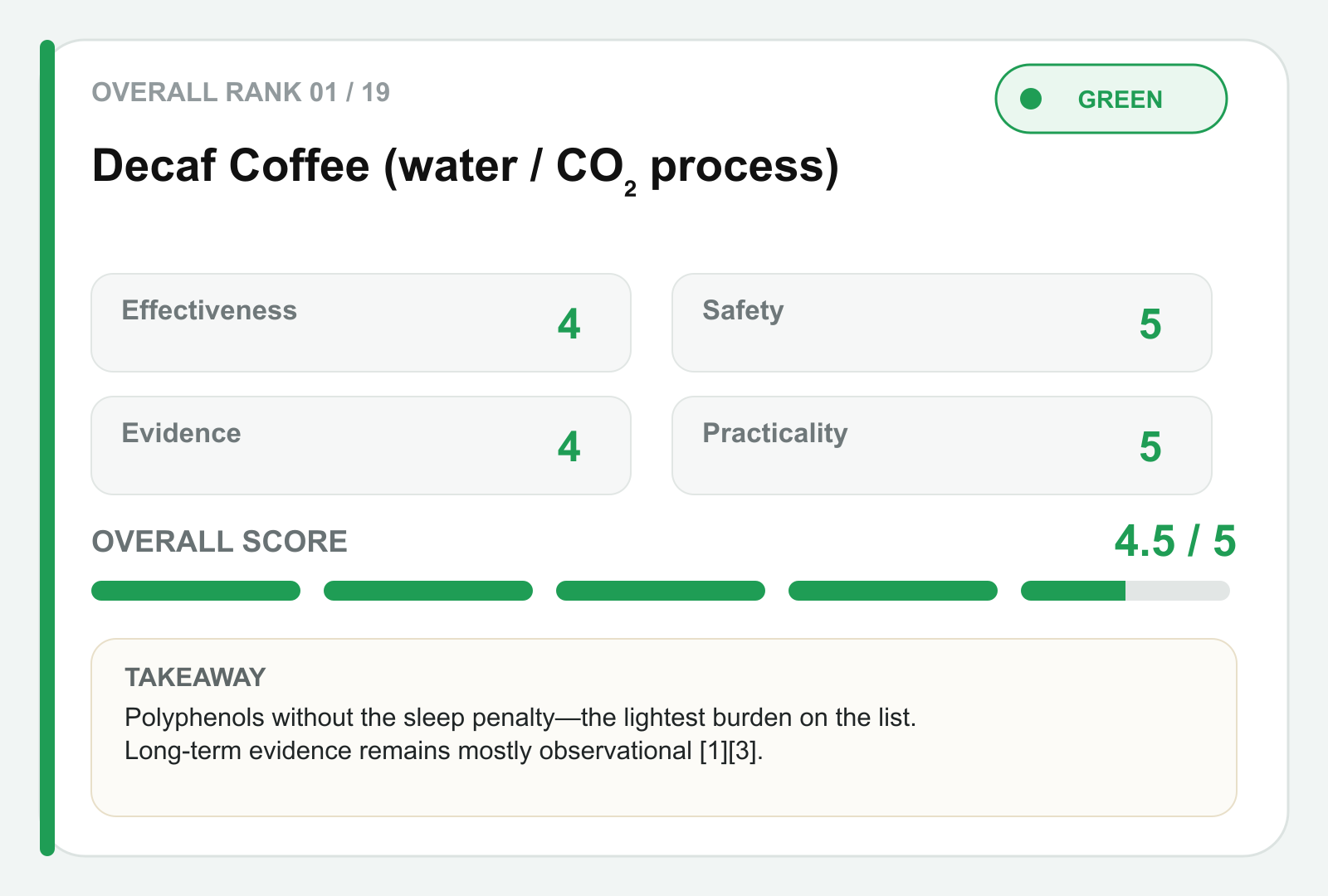
Coffee has some of the stronger population evidence on this list, but caffeine is not the main character in its longevity story. Large cohorts and dose-response meta-analyses consistently associate moderate daily coffee consumption with lower all-cause mortality 3. The crucial clue is that regular and decaf coffee show protective associations in the same direction 3. Polyphenols, especially chlorogenic acid, are likely important contributors. Caffeine is mostly the supporting actor responsible for alertness through adenosine-receptor antagonism and brief sympathetic activation; its long-term health value is more limited. Tea follows the same logic: its benefit comes mainly from catechins, not its caffeine. Strictly speaking, coffee's credit belongs in the polyphenol ledger, which is why its detailed article sits in that chapter. Because polyphenols earn the benefit while caffeine charges two fees—sleep disruption and a drinking window that closes before noon—this version of the ranking lowers regular coffee from four stars to three and a half, behind decaf and tea.
Verdict: keep drinking it, preferably freshly ground and without sugar. French press, Turkish coffee, and other unfiltered preparations can raise cholesterol, so anyone with elevated lipids should favor paper filtration 2. Decaf is a good option for caffeine-sensitive people. During pregnancy, keep total caffeine intake below 200 mg per day to reduce risks such as impaired fetal growth. 🟢
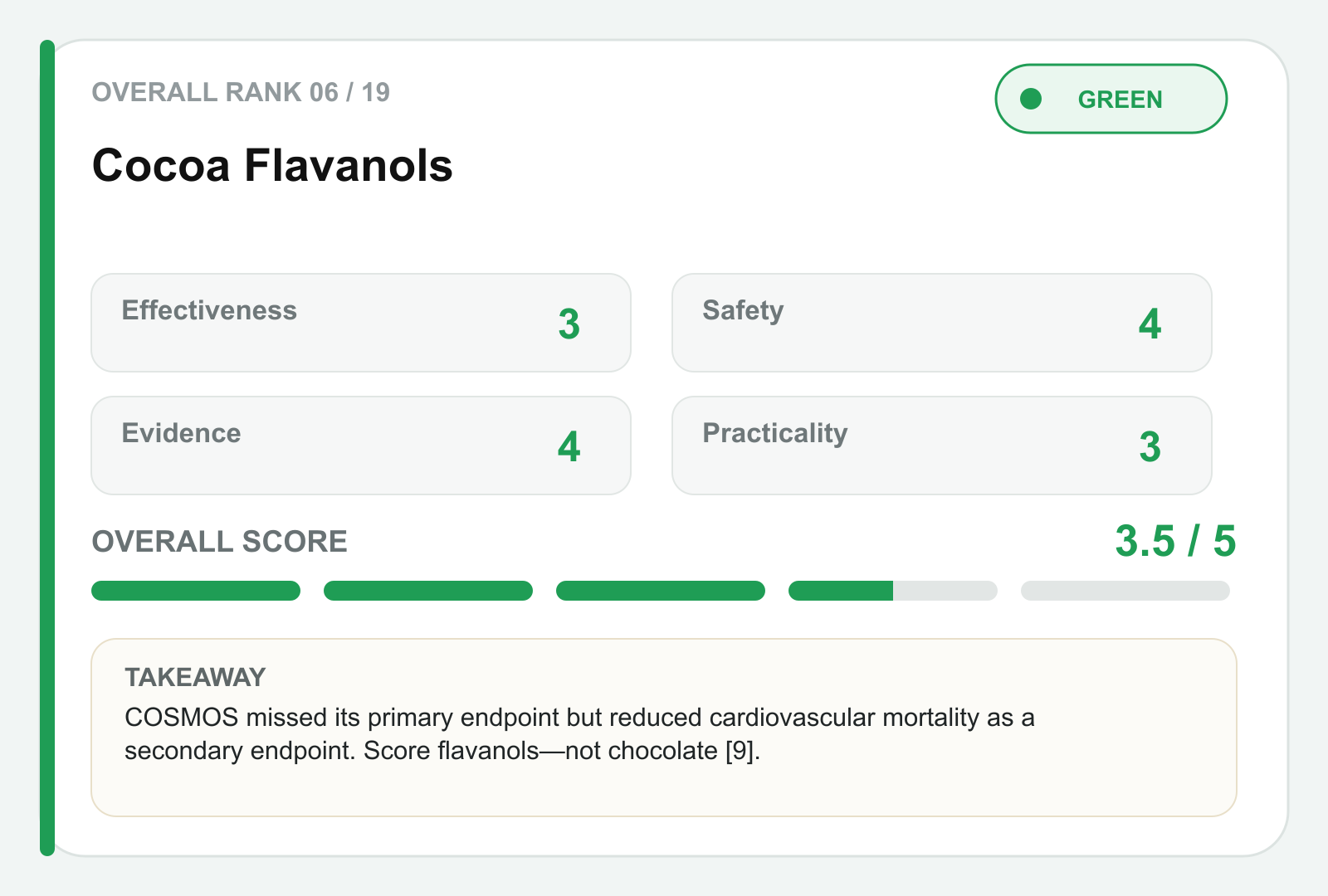
Cocoa flavanols, found mainly in high-flavanol cocoa powder, unsweetened cocoa, and some dark chocolate, have a rare positive signal from a large randomized trial. In COSMOS, published in 2022, around 21,000 participants received 500 mg of flavanols per day. The primary endpoint of total cardiovascular events did not reach significance, but the prespecified secondary endpoint of cardiovascular mortality fell by about 27% 9. A sister study found no cognitive improvement from cocoa extract in older adults. The essential warning: the intervention is flavanols, not chocolate. Sugar and fat in commercial bars may reduce the net health return. Verdict: pay attention to cocoa flavanols themselves; do not use them as an excuse to eat candy. 🟢
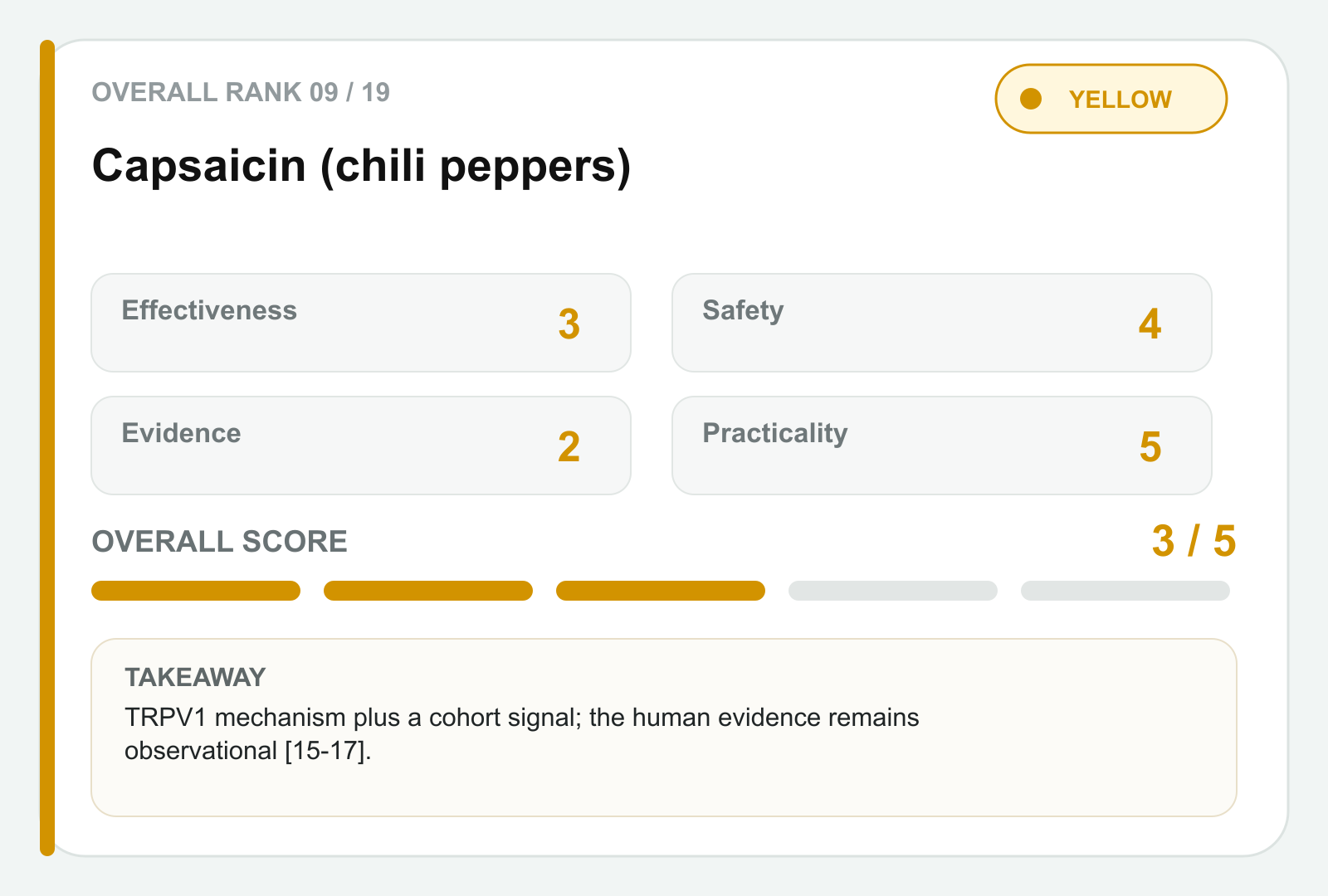
Capsaicin has a clear mechanism and a plausible upside. Spiciness is not a taste. Capsaicin activates TRPV1 on sensory nerves—a nociceptor 15. The burn is a pain signal, often accompanied by a brief neurogenic response including vasodilation, sweating, and flushing. It is reasonable to think of this as a very small, local inflammatory-like disturbance. The clever part is that the controlled stress looks exactly like hormesis. Repeated exposure desensitizes TRPV1, reducing pain, while downstream signaling may trigger metabolic and vascular adaptations: calcium signaling activates AMPK, promotes brown-fat thermogenesis through UCP1, and improves endothelial function. The same biology explains a counterintuitive treatment: high-concentration capsaicin patches are used clinically to reduce pain and neurogenic inflammation 16.
Human cohort findings point in the same direction: regular chili eaters show about 12% lower all-cause mortality and lower cardiovascular mortality, with support from large Chinese, Italian, and American cohorts 17. These remain observational data, however. Chili consumption travels with an overall diet and lifestyle, leaving causality and dose uncertain, while supplement-form capsaicin has inadequate evidence. Verdict: if you tolerate spicy food, make it an enjoyable habit. Do not treat capsaicin capsules as medicine. 🟡
Nicotine is among the easiest hormesis examples to misunderstand—and one of the most dangerous. Smokers show a lower epidemiologic risk of Parkinson's disease 22, and nicotine produces dopaminergic neuroprotective signals in animal models. Human randomized trials, however, have not established a treatment effect, while addiction, cardiovascular burden, and a narrow dosing window impose concrete costs. That is why nicotine gets 0 stars: benefit remains an interesting signal, but the health price is certain, making net benefit negative. Verdict: use it to understand hormesis, never as health advice. 🔴
Terpenoids and Bitter Compounds
The common problem in this category is that reputation is high, evidence is low, and composition changes dramatically with cultivar and processing.
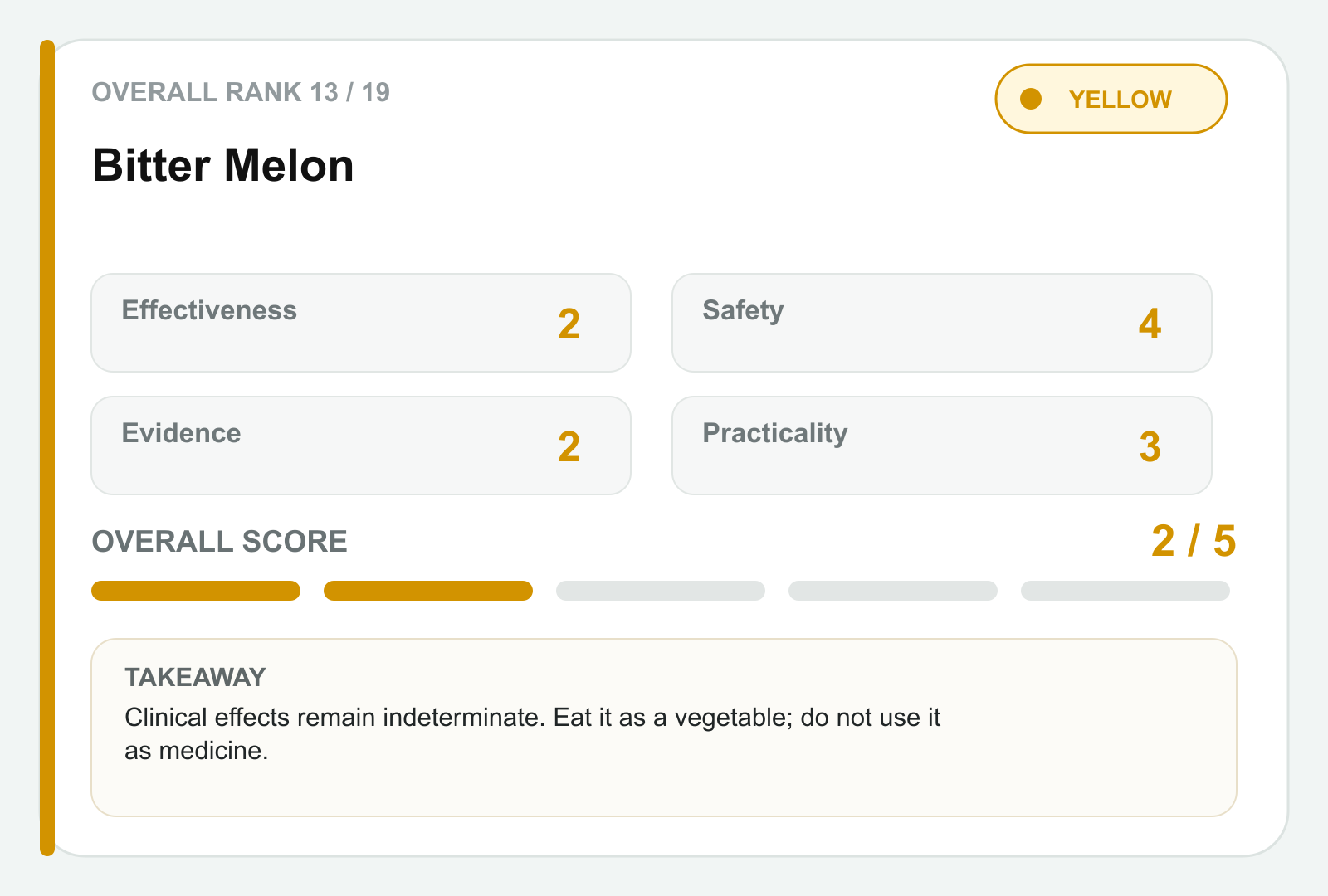
Bitter melon: Existing systematic reviews conclude that metabolic effects remain uncertain. Changes in blood glucose are small and unstable, far weaker than glucose-lowering medication. It is fine as a vegetable and inappropriate as a drug. 🟡
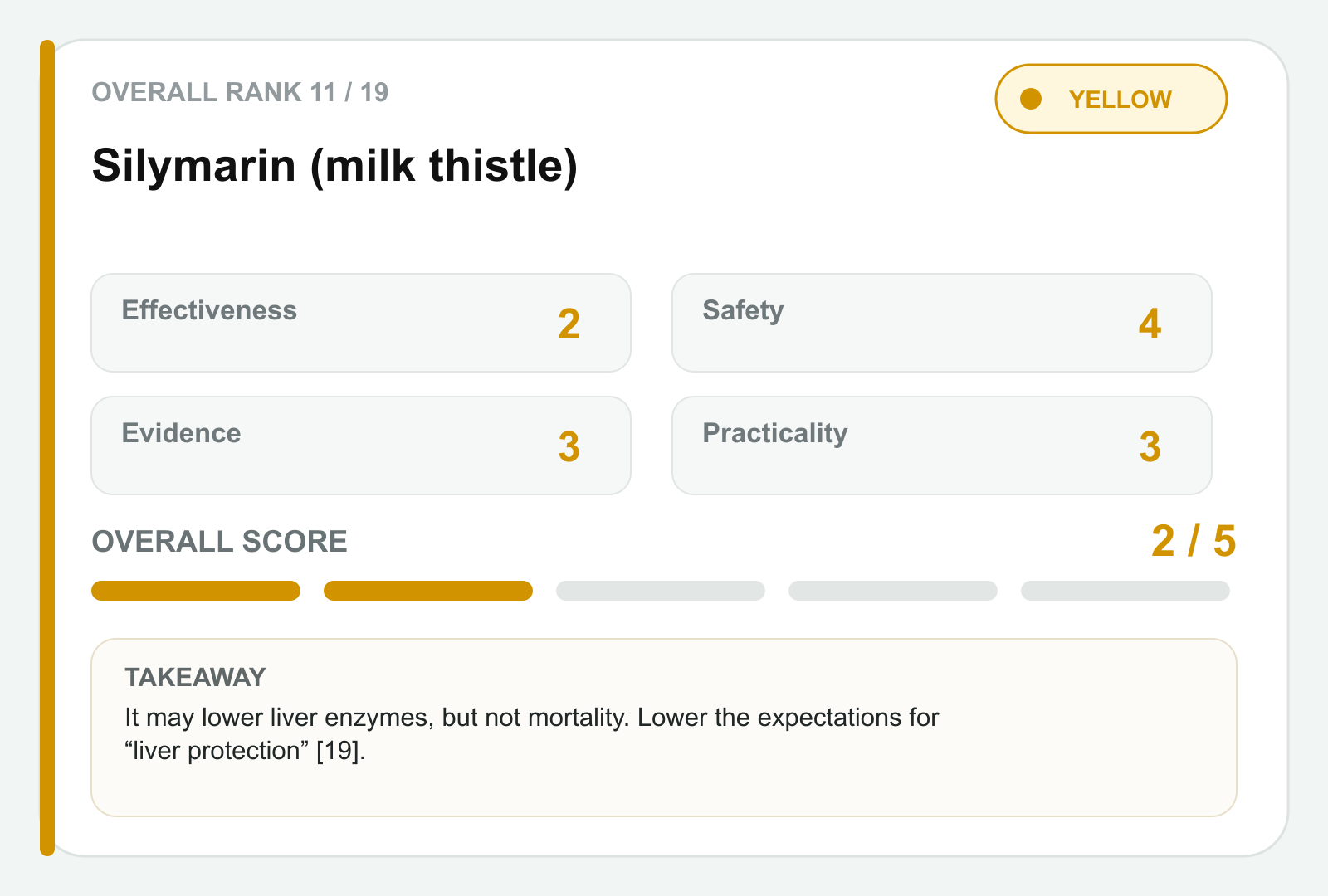
Silymarin / milk thistle: It is marketed for "liver protection," but results depend on the endpoint. It can modestly lower ALT and AST in fatty liver, yet evidence is insufficient for improved liver histology or real clinical outcomes. A classic Cochrane review found no mortality benefit in alcoholic or viral liver disease 19. Safety is good; expectations of a miracle liver drug should be much lower. 🟡
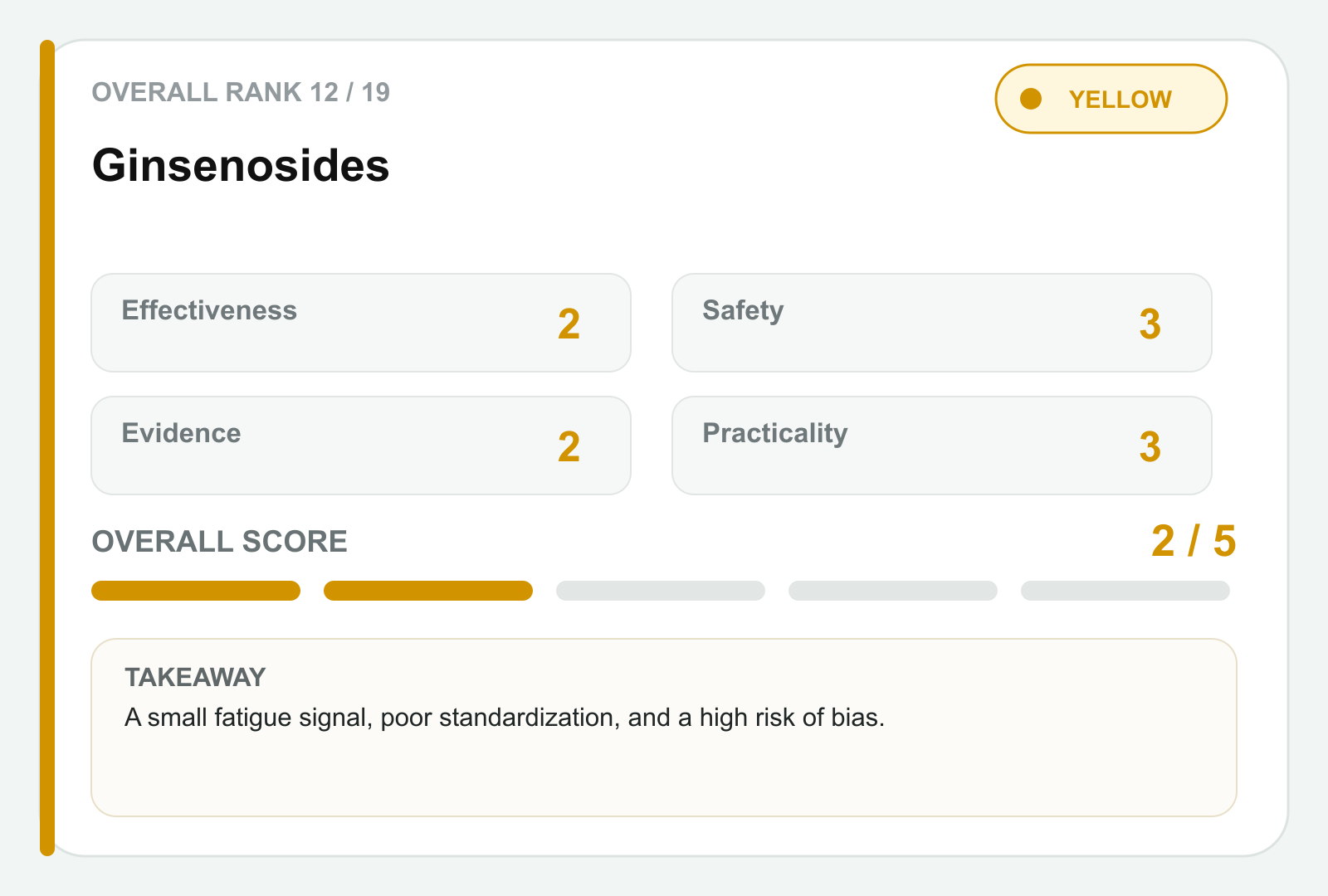
Ginsenosides: Some studies show weakly positive fatigue signals, but effects are small, risk of bias is high, and cognitive findings are mixed. Composition differs enormously between red and white ginseng and between Asian and American ginseng, making standardization poor. 🟡
Nitrate
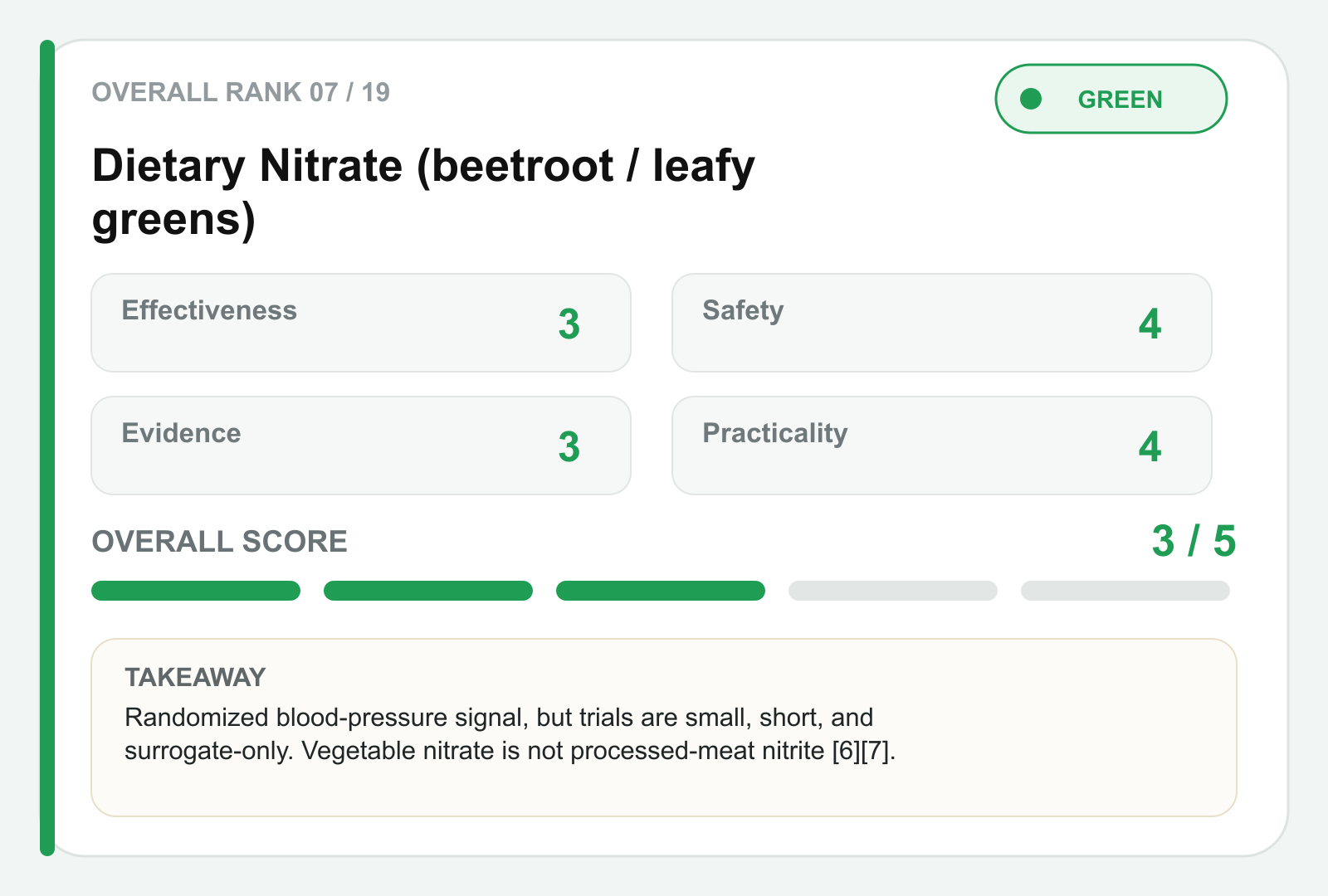
Dietary nitrate from beetroot and leafy greens is an easily overlooked good option. Through the nitrate → nitrite → nitric oxide pathway, beetroot juice lowers systolic pressure in people with hypertension 6 and can modestly improve exercise performance. The effect may be clearer among less-trained people and weaker in elite athletes.
The evidence needs calibration. These are randomized trials, but most are small and short. Endpoints stop at blood pressure and performance rather than long-term disease or mortality. Trials also tend to use concentrated beetroot juice, which is not identical to eating spinach with dinner. The evidence therefore lands at 3—not first-tier, but still worth acting on through food.
A crucial distinction: nitrate from vegetables arrives with vitamin C and polyphenols that inhibit carcinogenic nitrosamine formation, making the whole food beneficial. Nitrite in processed meat can form nitrosamines in the combination of high heat and amines; processed meat is classified by IARC as carcinogenic to humans 7. The food matrix determines whether the same chemical family acts more like medicine or poison—the nitrate paradox. Verdict: eat more leafy greens and beetroot, less bacon and sausage. 🟢
Ethanol
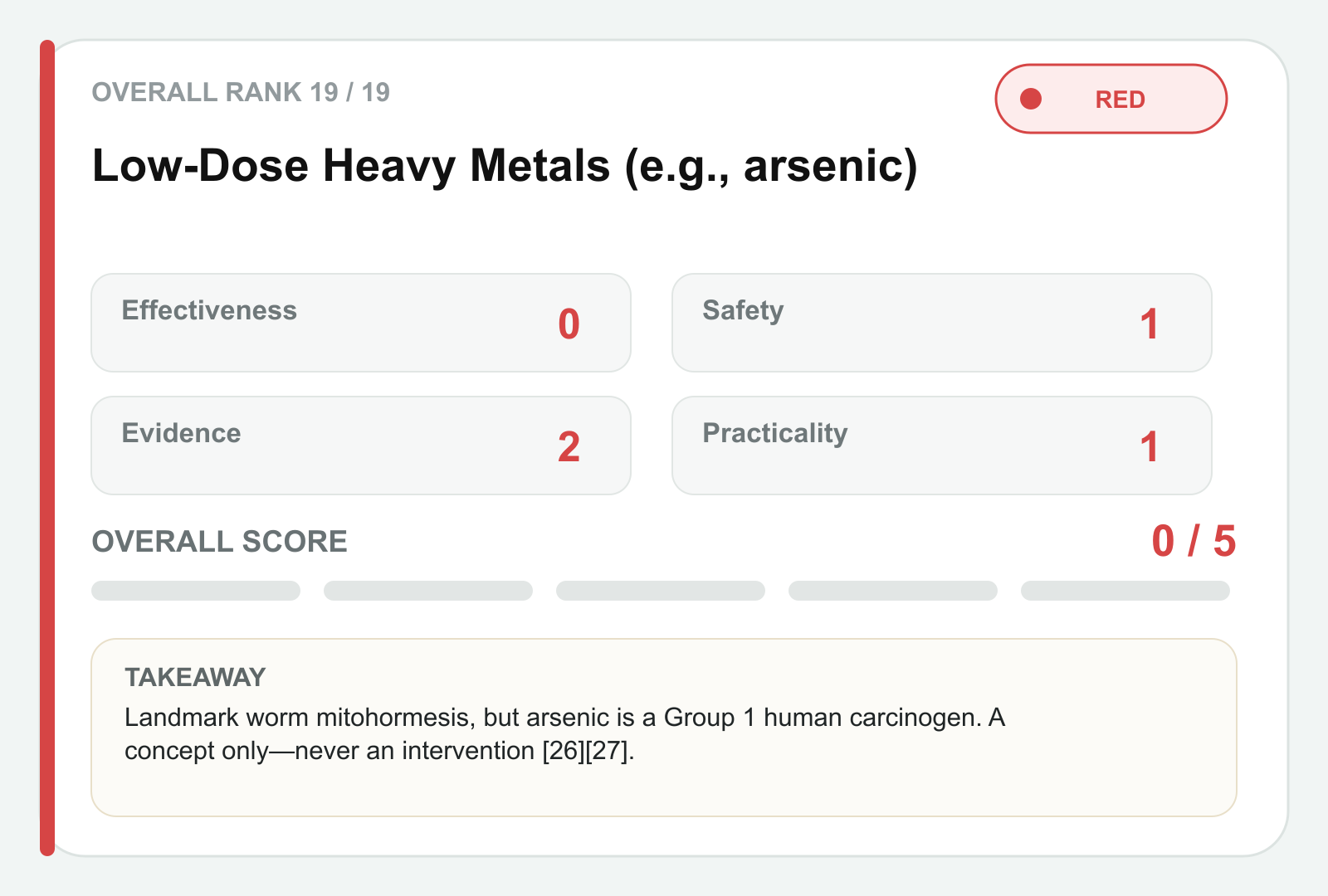
Alcohol is unusual: it receives a perfect 5 for evidence yet 0 stars overall. The strong evidence does not show an absence of benefit; it shows negative net benefit. Alcohol is a Group 1 carcinogen.
The old J-shaped curve claiming that moderate drinking is healthy has been largely rejected by the mainstream, mainly because of sick-quitter bias. Older "nondrinker" groups included people who had quit because of illness, artificially raising mortality in the reference group. A large bias-adjusted meta-analysis by Zhao and colleagues in 2023 covering 4.8 million people found that low-to-moderate drinking no longer significantly reduced all-cause mortality 23. Mendelian-randomization evidence went further: stroke risk increased with genetically predicted alcohol consumption, with no protective turning point 24. In 2023, WHO stated that no level of alcohol is safe for health 25.
For balance, the debate is not completely over. Parts of a 2025 U.S. National Academies analysis still associated moderate drinking with lower mortality, and methodological debate around Mendelian randomization continues. But the balance has clearly moved toward "less is better."
Verdict: if you drink for "health," that justification no longer stands. 🔴
Antinutrients
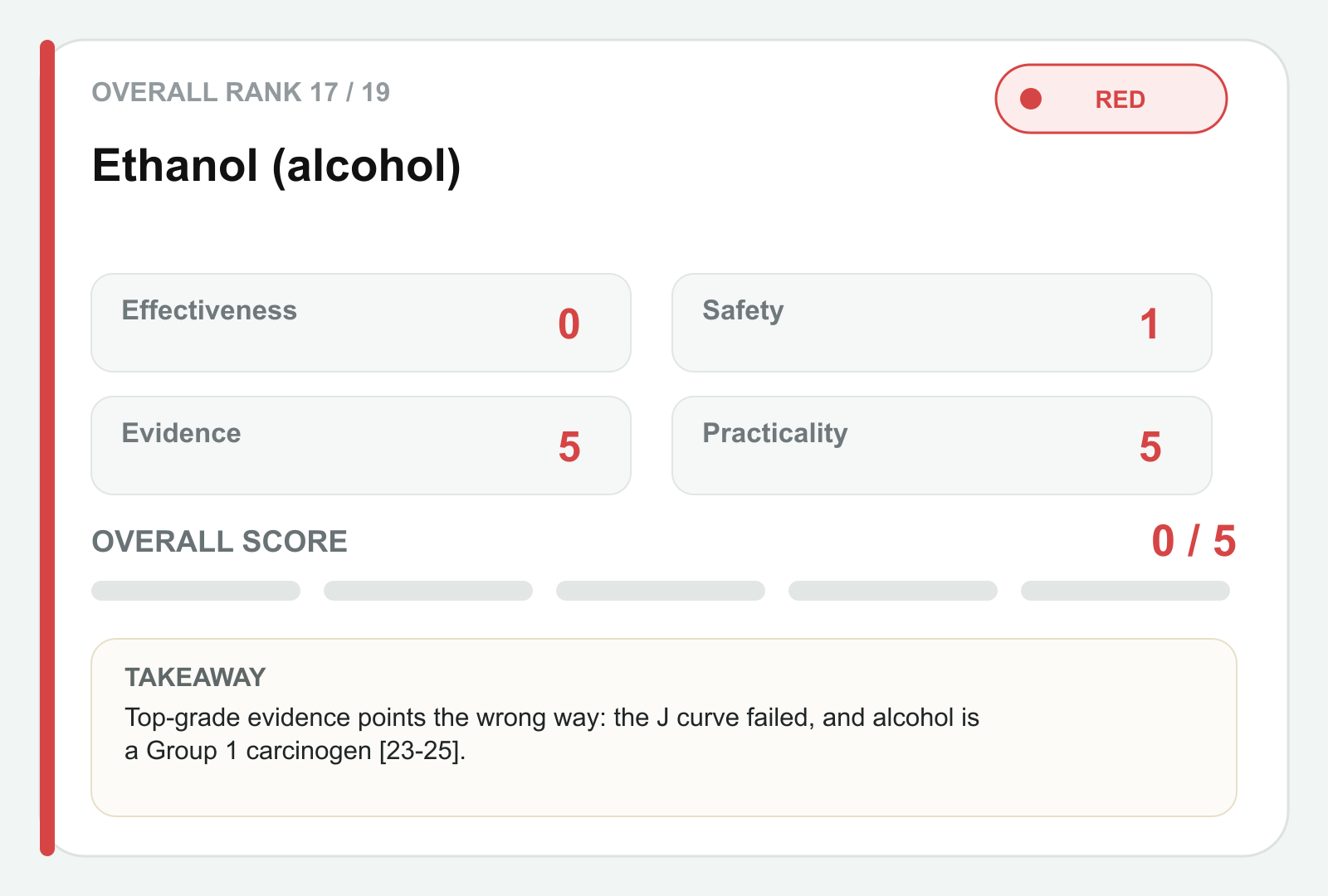
Phytate, oxalate, and lectins offer more benefit than harm for most people when consumed in whole foods prepared normally. Phytate binds iron, zinc, and calcium, but is also an antioxidant and may inhibit colon cancer, while soaking, fermenting, and sprouting reduce it. Oxalate is mainly a concern for people prone to kidney stones, who may need to watch spinach and rhubarb. Thorough heat greatly deactivates lectins; raw or undercooked red kidney beans can cause acute poisoning. Verdict: cook your food properly and keep eating beans and whole grains. The evidence for a lectin-free diet is poor. 🟡
A High-Risk Counterexample: Low-Dose Heavy Metals
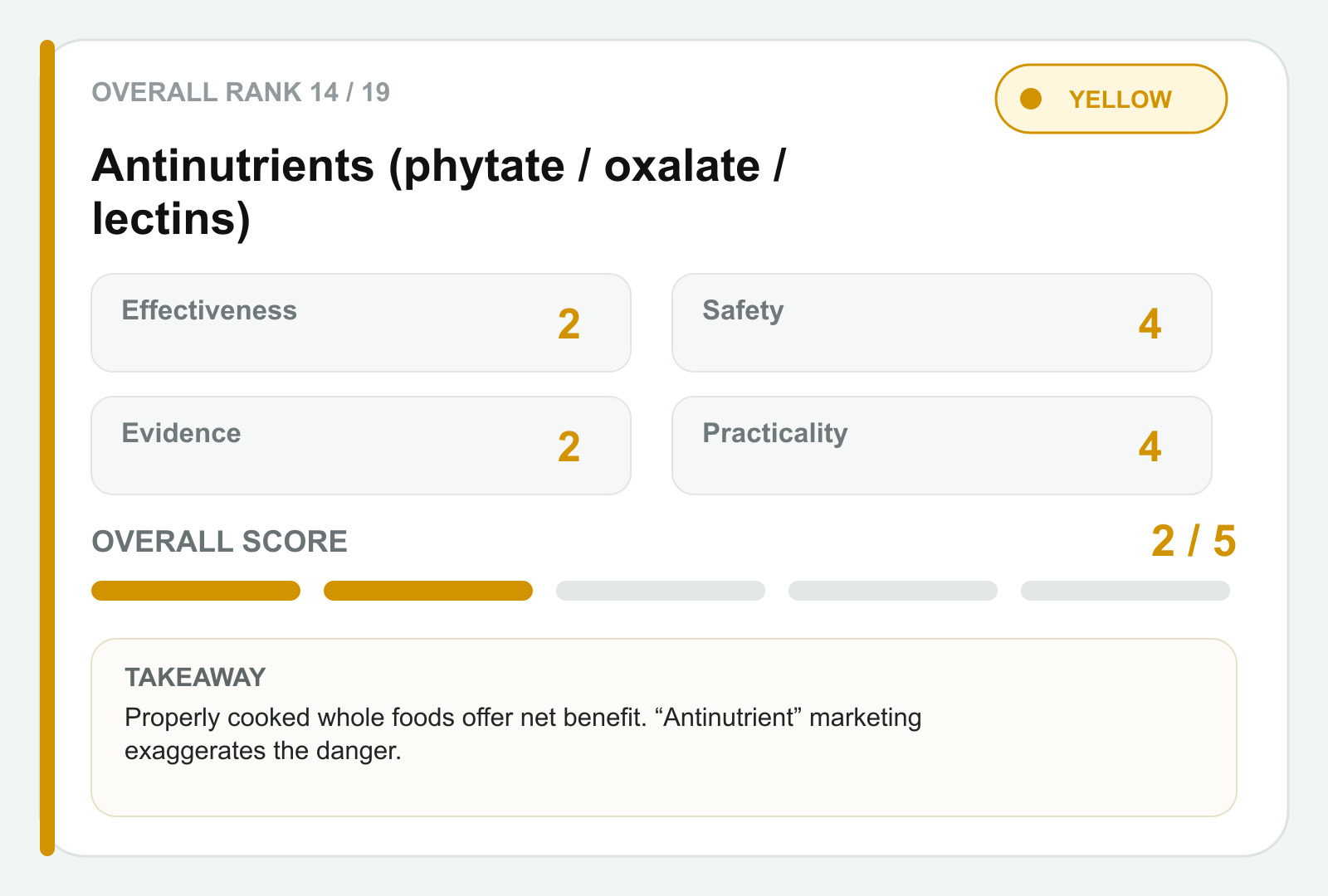
Low-dose arsenic is among the most frequently cited exposures in Calabrese's hormesis database. It is useful for understanding the idea—and categorically unfit for health advice.
In a classic 2013 experiment, Schmeisser and colleagues extended roundworm lifespan with extremely low-dose arsenite through mitohormesis 26. This is landmark evidence for mitochondrial hormesis. But inorganic arsenic is an IARC Group 1 carcinogen 27, has an exceptionally narrow dosing window, and lacks reliable mammalian lifespan evidence. Like nicotine and ethanol, it receives 0 stars: for humans, this is a net loss with no credible "small dose may help" exception. Verdict: mechanistic stimulation is not the same as an intervention suitable for humans. Observe the result; never try it. 🔴
Another frequently cited example is low-dose ionizing radiation, but radiation is not ingested and therefore lies outside this series.
If You Put Only a Few Into Daily Life
Read the table from top to bottom and the list with both decent evidence and everyday practicality becomes surprisingly short. These are also the protagonists that received the most attention in earlier entries:
- Tea and coffee—their benefits come mainly from polyphenols, not caffeine. Their evidence carries similar weight; coffee has a steeper effect size and a wider range of outcomes, while tea has almost no caffeine burden and fits the whole day. Decaf captures much of both advantages. See the polyphenol entry 3,28,29.
- Olive polyphenols / extra-virgin olive oil—the only option with an authorized health claim and a key element of the Mediterranean diet. See the polyphenol entry 4,5.
- Garlic—rare randomized evidence for lower blood pressure, with preparation details such as "crush and wait ten minutes" affecting the active dose. See the sulfur-compound entry 8.
- Cocoa flavanols—the positive and negative sides of the large COSMOS trial, and why that evidence is not an excuse to eat more chocolate. See the polyphenol entry and chocolate feature 9.
- Dietary nitrate from beetroot and leafy greens—the nitric-oxide pathway, blood pressure, exercise performance, and the nitrate paradox. Evidence stops at surrogate endpoints, so treat it as good food rather than medicine. See the nitrate entry 6.
- Sulforaphane / broccoli sprouts—the best teaching example for Nrf2, with myrosinase and preparation determining bioavailability. See the sulfur-compound entry [12-14].
The rest split into two groups. Resveratrol, curcumin, bitter melon, and ginseng have a halo much larger than their measured effect. Buying them mostly wastes money without costing health. High-dose green-tea extract, ethanol, nicotine, and low-dose heavy metals are different: their costs land directly on the body. Consult the dedicated entries for the full ledger.
In Short: Five Rules for Getting Ingested Hormesis Right
- Prefer food forms with built-in bodily feedback. Drink tea, eat vegetables and garlic, and use a good oil. Your body can register enough, making runaway doses less likely.
- Be wary of highly purified supplements. Dose is harder to control, and a few—such as high-dose green-tea extract—carry liver toxicity 10. The more concentrated the molecule, the more insistently you should ask whether the evidence is strong enough.
- Weight of evidence and direction of benefit are different. Ethanol has top-tier evidence, but its conclusion is "do not drink." Curcumin has enormous publicity but almost no human disease or mortality endpoints.
- Celebrity does not equal effective. Resveratrol, curcumin, bitter melon, and ginseng have reputations far larger than their measured results.
- An interesting mechanism is not permission to experiment. Nicotine and low-dose arsenic are excellent teaching examples for hormesis and terrible health advice.

Disclaimer
This article is not medical advice. It documents personal learning, research, practice, and sharing for reference only. Consult a physician or qualified healthcare professional for medical guidance. Discussion of proactive interventions is aimed mainly at healthy adults; if you have an underlying condition, follow your clinician's advice first. The scores are editorial judgments based on the current body of evidence, will change as research develops, and should not be treated as an absolute ranking.
References29
[1]Drake C, Roehrs T, Shambroom J, Roth T. Caffeine effects on sleep taken 0, 3, or 6 hours before going to bed. J Clin Sleep Med. 2013 Nov;9(11):1195-200.
[2]Bak AA, Grobbee DE. The effect on serum cholesterol levels of coffee brewed by filtering or boiling. N Engl J Med. 1989 Nov;321(21):1432-7.
[3]Ding M, Satija A, Bhupathiraju SN, Hu Y, Sun Q, Han J, Lopez-Garcia E, Willett W, van Dam RM, Hu FB. Association of Coffee Consumption With Total and Cause-Specific Mortality in 3 Large Prospective Cohorts. Circulation. 2015 Dec;132(24):2305-15.
[4]EFSA Panel on Dietetic Products, Nutrition and Allergies. Scientific Opinion on the substantiation of health claims related to polyphenols in olive and protection of LDL particles from oxidative damage. EFSA J. 2011 Apr;9(4):2033.
[5]Estruch R, Ros E, Salas-Salvadó J, Covas MI, Corella D, Arós F, Gómez-Gracia E, Ruiz-Gutiérrez V, Fiol M, Lapetra J, Lamuela-Raventos RM, Serra-Majem L, Pintó X, Basora J, Muñoz MA, Sorlí JV, Martínez JA, Fitó M, Gea A, Hernán MA, Martínez-González MA. Primary Prevention of Cardiovascular Disease with a Mediterranean Diet Supplemented with Extra-Virgin Olive Oil or Nuts. N Engl J Med. 2018 Jun;378(25):e34.
[6]Kapil V, Khambata RS, Robertson A, Caulfield MJ, Ahluwalia A. Dietary nitrate provides sustained blood pressure lowering in hypertensive patients: a randomized, phase 2, double-blind, placebo-controlled study. Hypertension. 2015 Feb;65(2):320-7.
[7]Bouvard V, Loomis D, Guyton KZ, Grosse Y, Ghissassi FE, Benbrahim-Tallaa L, Guha N, Mattock H, Straif K. Carcinogenicity of consumption of red and processed meat. Lancet Oncol. 2015 Dec;16(16):1599-600.
[8]Ried K. Garlic Lowers Blood Pressure in Hypertensive Individuals, Regulates Serum Cholesterol, and Stimulates Immunity: An Updated Meta-analysis and Review. J Nutr. 2016 Feb;146(2):389S-396S.
[9]Sesso HD, Manson JE, Aragaki AK, Rist PM, Johnson LG, Friedenberg G, Copeland T, Clar A, Mora S, Moorthy MV, Sarkissian A, Carrick WR, Anderson GL. Effect of cocoa flavanol supplementation for the prevention of cardiovascular disease events: the COcoa Supplement and Multivitamin Outcomes Study (COSMOS) randomized clinical trial. Am J Clin Nutr. 2022 Jun;115(6):1490-1500.
[10]Oketch-Rabah HA, Roe AL, Rider CV, Bonkovsky HL, Giancaspro GI, Navarro V, Paine MF, Betz JM, Marles RJ, Casper S, Gurley B, Jordan SA, He K, Kapoor MP, Rao TP, Sherker AH, Fontana RJ, Rossi S, Vuppalanchi R, Seeff LB, Stolz A, Ahmad J, Koh C, Serrano J, Low Dog T, Ko R. United States Pharmacopeia (USP) comprehensive review of the hepatotoxicity of green tea extracts. Toxicol Rep. 2020;7:386-402.
[11]Younes M, Aggett P, Aguilar F, Crebelli R, Dusemund B, Filipič M, Frutos MJ, Galtier P, Gott D, Gundert-Remy U, Lambré C, Leblanc JC, Lillegaard IT, Moldeus P, Mortensen A, Oskarsson A, Stankovic I, Waalkens-Berendsen I, Woutersen RA, Andrade RJ, Fortes C, Mosesso P, Restani P, Arcella D, Pizzo F, Smeraldi C, Wright M. Scientific opinion on the safety of green tea catechins. EFSA J. 2018 Apr;16(4):e05239.
[12]Dinkova-Kostova AT, Holtzclaw WD, Cole RN, Itoh K, Wakabayashi N, Katoh Y, Yamamoto M, Talalay P. Direct evidence that sulfhydryl groups of Keap1 are the sensors regulating induction of phase 2 enzymes that protect against carcinogens and oxidants. Proc Natl Acad Sci U S A. 2002 Sep;99(18):11908-13.
[13]Egner PA, Chen JG, Zarth AT, Ng DK, Wang JB, Kensler KH, Jacobson LP, Muñoz A, Johnson JL, Groopman JD, Fahey JW, Talalay P, Zhu J, Chen TY, Qian GS, Carmella SG, Hecht SS, Kensler TW. Rapid and sustainable detoxication of airborne pollutants by broccoli sprout beverage: results of a randomized clinical trial in China. Cancer Prev Res (Phila). 2014 Aug;7(8):813-823.
[14]Clarke JD, Hsu A, Riedl K, et al. Bioavailability and inter-conversion of sulforaphane and erucin in human subjects consuming broccoli sprouts or broccoli supplement in a cross-over study design. Pharmacol Res. 2011 Nov;64(5):456-463.
[15]Caterina MJ, Schumacher MA, Tominaga M, Rosen TA, Levine JD, Julius D. The capsaicin receptor: a heat-activated ion channel in the pain pathway. Nature. 1997 Oct;389(6653):816-24.
[16]Backonja M, Wallace MS, Blonsky ER, Cutler BJ, Malan P, Rauck R, Tobias J. NGX-4010, a high-concentration capsaicin patch, for the treatment of postherpetic neuralgia: a randomised, double-blind study. Lancet Neurol. 2008 Dec;7(12):1106-12.
[17]Ofori-Asenso R, Mohsenpour MA, Nouri M, Faghih S, Liew D, Mazidi M. Association of Spicy Chilli Food Consumption With Cardiovascular and All-Cause Mortality: A Meta-Analysis of Prospective Cohort Studies. Angiology. 2021 Aug;72(7):625-632.
[18]Nelson KM, Dahlin JL, Bisson J, Graham J, Pauli GF, Walters MA. The Essential Medicinal Chemistry of Curcumin. J Med Chem. 2017 Mar;60(5):1620-1637.
[19]Rambaldi A, Jacobs BP, Gluud C. Milk thistle for alcoholic and/or hepatitis B or C virus liver diseases. Cochrane Database Syst Rev. 2007 Oct;2007(4):CD003620.
[20]Hickson LJ, Langhi Prata LGP, Bobart SA, Evans TK, Giorgadze N, Hashmi SK, Herrmann SM, Jensen MD, Jia Q, Jordan KL, Kellogg TA, Khosla S, Koerber DM, Lagnado AB, Lawson DK, LeBrasseur NK, Lerman LO, McDonald KM, McKenzie TJ, Passos JF, Pignolo RJ, Pirtskhalava T, Saadiq IM, Schaefer KK, Textor SC, Victorelli SG, Volkman TL, Xue A, Wentworth MA, Wissler Gerdes EO, Zhu Y, Tchkonia T, Kirkland JL. Senolytics decrease senescent cells in humans: Preliminary report from a clinical trial of Dasatinib plus Quercetin in individuals with diabetic kidney disease. EBioMedicine. 2019 Sep;47:446-456.
[21]Pacholec M, Bleasdale JE, Chrunyk B, et al. SRT1720, SRT2183, SRT1460, and resveratrol are not direct activators of SIRT1. J Biol Chem. 2010 Mar;285(11):8340-8351.
[22]Hernán MA, Takkouche B, Caamaño-Isorna F, Gestal-Otero JJ. A meta-analysis of coffee drinking, cigarette smoking, and the risk of Parkinson's disease. Ann Neurol. 2002 Sep;52(3):276-84.
[23]Zhao J, Stockwell T, Naimi T, Churchill S, Clay J, Sherk A. Association Between Daily Alcohol Intake and Risk of All-Cause Mortality: A Systematic Review and Meta-analyses. JAMA Netw Open. 2023 Mar;6(3):e236185.
[24]Millwood IY, Walters RG, Mei XW, et al. Conventional and genetic evidence on alcohol and vascular disease aetiology: a prospective study of 500000 men and women in China. Lancet. 2019 Apr;393(10183):1831-1842.
[25]Anderson BO, Berdzuli N, Ilbawi A, Kestel D, Kluge HP, Krech R, Mikkelsen B, Neufeld M, Poznyak V, Rekve D, Slama S, Tello J, Ferreira-Borges C. Health and cancer risks associated with low levels of alcohol consumption. Lancet Public Health. 2023 Jan;8(1):e6-e7.
[26]Schmeisser S, Schmeisser K, Weimer S, Groth M, Priebe S, Fazius E, Kuhlow D, Pick D, Einax JW, Guthke R, Platzer M, Zarse K, Ristow M. Mitochondrial hormesis links low-dose arsenite exposure to lifespan extension. Aging Cell. 2013 Jun;12(3):508-17.
[27]Straif K, Benbrahim-Tallaa L, Baan R, Grosse Y, Secretan B, El Ghissassi F, Bouvard V, Guha N, Freeman C, Galichet L, Cogliano V. A review of human carcinogens--Part C: metals, arsenic, dusts, and fibres. Lancet Oncol. 2009 May;10(5):453-4.
[28]Kuriyama S, Shimazu T, Ohmori K, Kikuchi N, Nakaya N, Nishino Y, Tsubono Y, Tsuji I. Green tea consumption and mortality due to cardiovascular disease, cancer, and all causes in Japan: the Ohsaki study. JAMA. 2006 Sep;296(10):1255-65.
[29]Abe SK, Saito E, Sawada N, Tsugane S, Ito H, Lin Y, Tamakoshi A, Sado J, Kitamura T, Sugawara Y, Tsuji I, Nagata C, Sadakane A, Shimazu T, Mizoue T, Matsuo K, Naito M, Tanaka K, Inoue M. Green tea consumption and mortality in Japanese men and women: a pooled analysis of eight population-based cohort studies in Japan. Eur J Epidemiol. 2019 Oct;34(10):917-926.