46. A Longevity Dialogue with Harvard Friends — and More (Part 1)
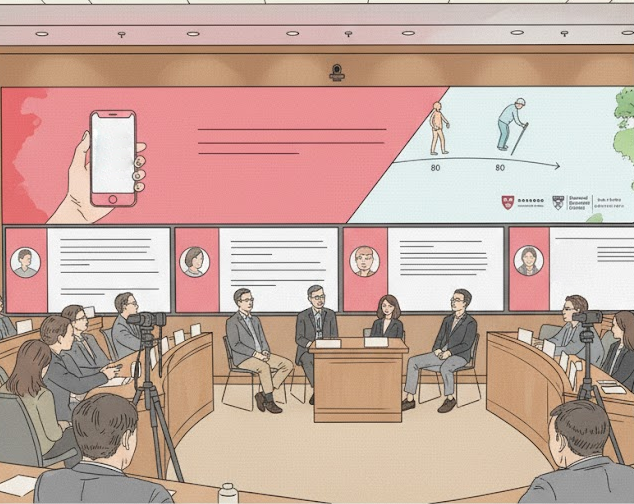
Painted by AI
RecentlyI was invited to speak at a longevity and anti-aging panel hosted jointly by Harvard Club of Beijing and Harvard Business School Beijing Club.
The room was packed. Not a single seat was left empty. Many in the audience were medical, scientific, or industry professionals.
In addition to myself, three other guests — all Harvard friends and seasoned longevity practitioners — joined the dialogue. We talked about science, personal practice, and belief systems, and had rich conversations with the audience.
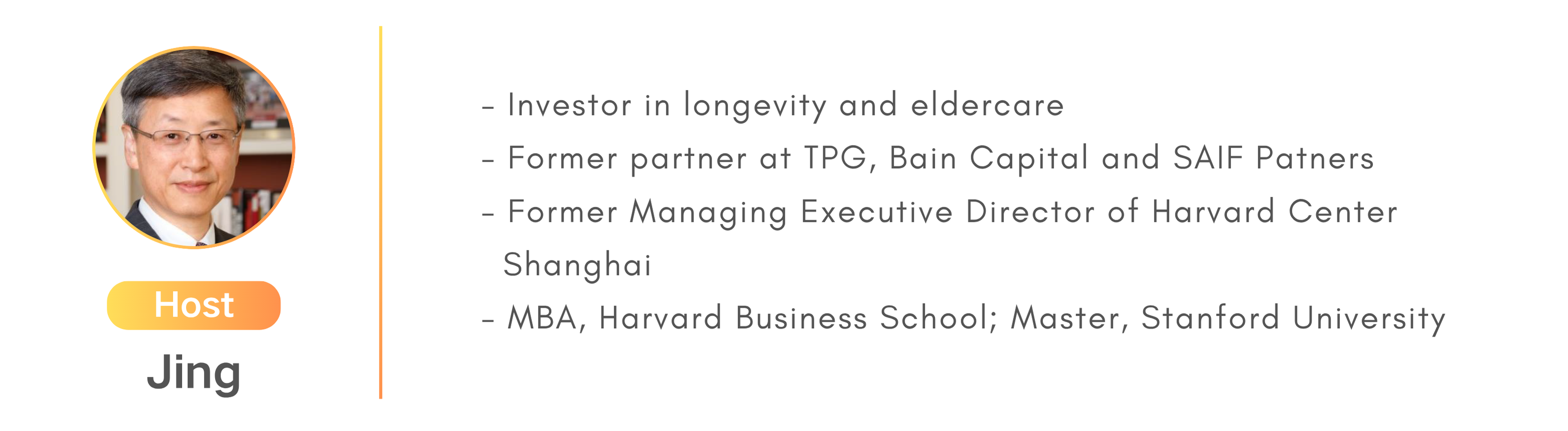
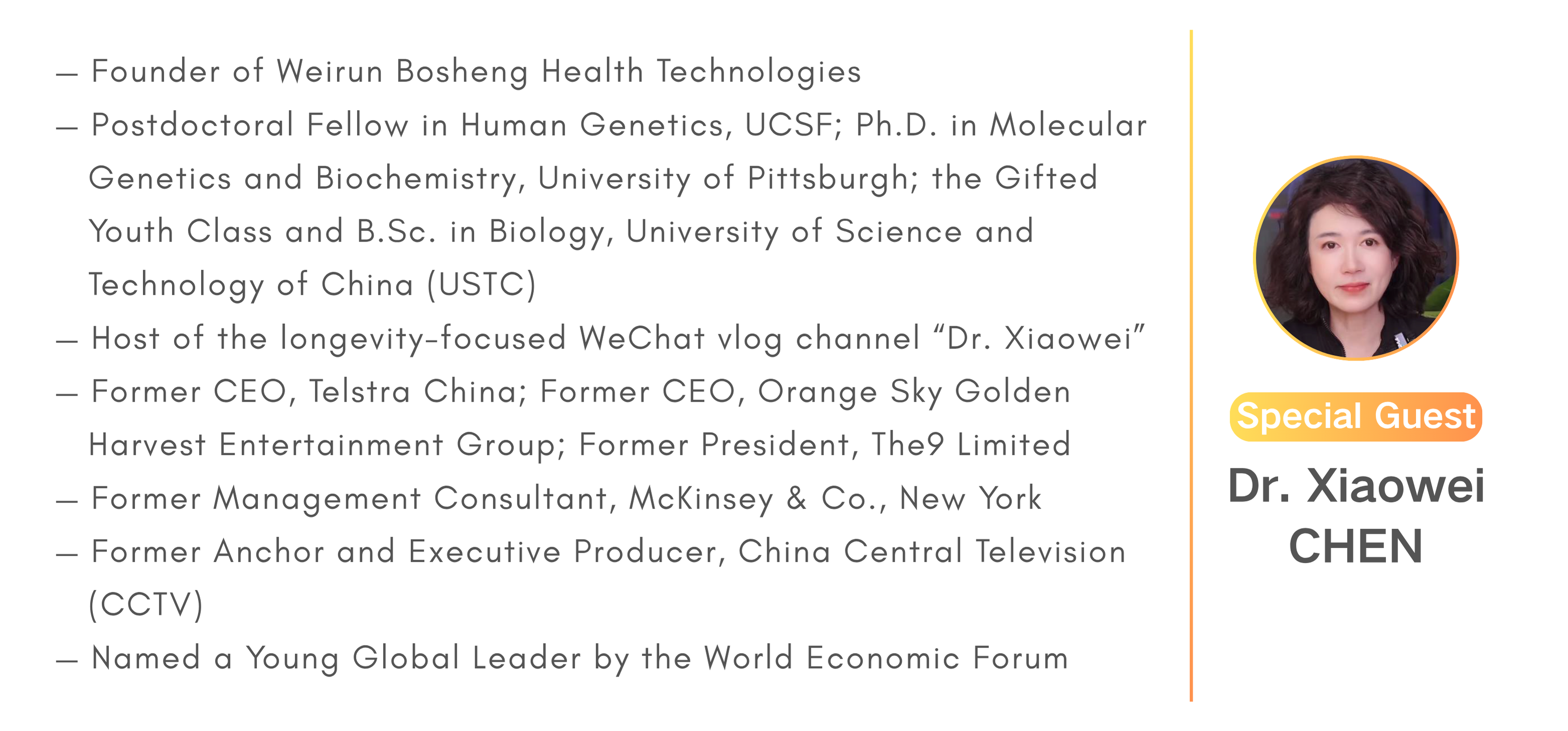
Let me briefly reintroduce the four of us who were featured in the event:

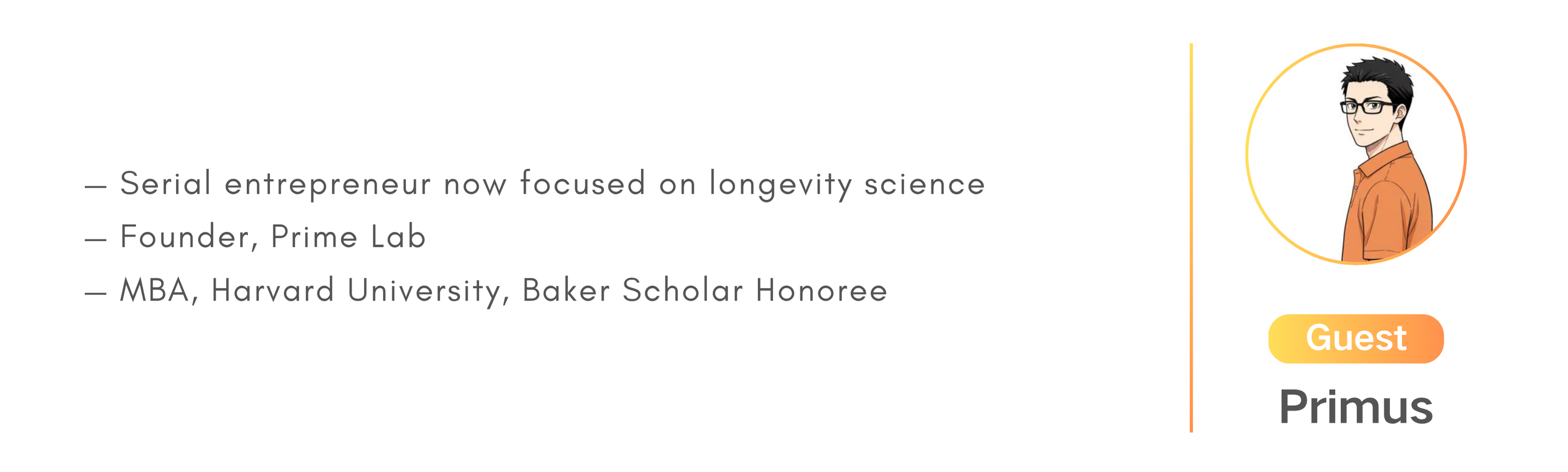
For me, the entire experience felt like an information torrent — intense, concentrated, and deeply insightful.
Although Prime Lab often connects with readers through messages, it’s rare to receive dozens of focused, real-life questions in one sitting — covering everything from health and lifestyle to supplements, anxiety, and purpose.
I’ve distilled this event into two written entries: a “highlight reel” of the conversation, laced with my own reflections, extensions, and related content from the Prime Lab journey — both what we’ve shared and what’s to come.
This is Part 1, focused more on theory, cutting-edge science, and the philosophy of longevity. The next piece will dive into practical tips, anti-aging tools, and lifestyle interventions.
The following Q&A doesn’t track names or direct quotes. Instead, I use each question as a springboard for sharing my own thinking. These reflections don’t necessarily represent the other panelists’ views.
Q1: What is “Prime Life”?
“Prime Life” is a term we coined. It grew from my exploration of the concept of Health Span, but we expanded it in two directions:
1️⃣ From the future, back to the present.
Health span is about duration — how long you can remain healthy. But we found that it’s far more actionable to focus on the quality of life right now.
Prime Life is about maintaining a state of being Always @ Prime.
Interestingly, the things that make us feel better today — good sleep, healthy relationships, positive mindset — are also the very things that extend our health span.
Health span is future-oriented. Prime Life is present-driven. And we are far more motivated by how we feel now.
2️⃣ From the physical to the existential.
Health span is about the body. But a life without meaning or inner richness still feels hollow. That’s why we believe Prime Life must be dual: physical strength + spiritual vitality.
And the two aren’t separate. Inner states like clarity, calm, joy, and freedom also contribute to longevity. Depression, anxiety, and loneliness are all strongly correlated with early death.
Prime Lab began with one fundamental question:
Romantic, but also hard-core.
Both words resonate deeply with me.
Q2: What is Longevity Escape Velocity (LEV)?
The term was coined by biogerontologist Aubrey de Grey in 20041, and popularized by futurist Ray Kurzweil in the context of his technological singularity framework.
It refers to the point at which the rate of scientific progress and proactive intervention outpaces the rate of biological aging — thus enabling a state of “escape.”
In simpler terms: with every year you live, your expected lifespan gets longer.
Today, humanity’s LEV is roughly estimated at 0.2–0.3 — which means that for every year we live, we might gain an extra 2–3 months of life.
There was one major LEV leap in the early 20th century, thanks to advances in medicine and public health. Average life expectancy doubled from 40 to nearly 80 years2.
But the leap from 80 to 100 won’t come easy. It’ll require not just medical progress, but breakthroughs in science, technology, and societal norms.
Still, bridging the 80–100 gap is within our generational reach.
Crossing 100, however, will likely require paradigm-shifting advancements — such as officially classifying aging as a treatable disease.
For now, the best thing we can do is optimize that 80–100 window. Buying time — both in life years and in waiting for the singularity to arrive.
For more, see To Live 20 Years More: A Super Option Exclusive to Our Time.
Q3: Is longevity genetically predetermined or shaped by environment?
Ask a geneticist, and they’ll likely say: under current biological conditions, the maximum human lifespan is about 120 years.
This aligns with the Hayflick Limit — the number of times a human cell can divide, usually around 50–60 cycles3,4.
The 120-year figure is based on historical data and modeling, not an absolute ceiling. There’s still debate on the true limits of human life.
But below that ceiling, how long one stays healthy is largely shaped by non-genetic factors:
Environment, lifestyle, mindset, social structure, and — most importantly — sense of meaning.
Think about it: over the past century, life expectancy doubled — from 40 to 80 — without any major change in human DNA.
That leap was made possible by intentional human effort — in medicine, public health, education, nutrition, and more.
Let’s look at two key angles:
🧬 1: Genes ≠ Destiny. Epigenetics is what counts.
Your DNA can’t be changed, but its expression can be — via epigenetics5.
Think of your genes as a recipe. Epigenetics is the chef. And the chef’s mood, ingredients, and technique? That’s your lifestyle and environment.
Science has shown that even identical twins — same DNA — can develop wildly different disease profiles and lifespans due to different habits and mindsets.
Things like diet, exercise, sleep, stress, and optimism can literally turn certain genes on or off.
Better yet: many of these changes are reversible.
People who make major lifestyle changes in midlife — quit smoking, manage stress, improve sleep — often see measurable improvements in health within just a few years.
That’s epigenetic power in action.
🧬 2: Natural Selection Never Intended for Longevity.
From an evolutionary standpoint, nature doesn’t really favor longevity.
Natural selection primarily operates during reproductive years. Genes that help us reproduce successfully get passed on. But longevity? That tends to kick in after the reproductive window — when natural selection has already done its job. So evolution doesn’t actively “select” for genes that promote long life.
In fact, some genes that are beneficial early in life may be detrimental in later years — a phenomenon known as antagonistic pleiotropy 6. For example, high hormone levels and active mTOR signaling may accelerate development during adolescence but increase cancer risk if they remain elevated in old age.
In other words, nature never sat down to engineer a genetic blueprint for human longevity.
Even studies of centenarians have shown surprisingly little overlap in their genes. The real secret to a long life seems to lie not in fixed inheritance, but in postnatal plasticity.
If nature didn’t cap our lifespan with a hard limit, then longevity becomes something we can proactively pursue.
🌱 Man Versus Nature: Not Just a Belief, But a Biological Fact
Genes are not destiny. We don’t get to choose the recipe we’re born with — but we do get to choose how we cook with it.
Dr. Xiaowei once said something that really stayed with me: “No matter what proportion of your lifespan is attributed to genetics in statistical models, for any individual, that contribution is already 100% determined at birth. Everything that follows is environment and choice.”
There’s something deeply empowering about that. It reminds us that what truly shapes the quality of our lives isn’t talent, but choice. Not fate, but practice.
“Man conquers nature” is not just a scientific truth— it’s a poetic conviction. This belief — that we can all improve our lives through effort — is what fuels the river of human civilization, propelling it forward with unstoppable force.
For more, see Healthspan & Prime Life: Designing a Life Worth Living.
Q4: What Does This Year’s Nobel Prize Have to Do With Longevity?
The 2025 Nobel Prize in Physiology or Medicine was awarded to three scientists for their groundbreaking work on Regulatory T Cells (Tregs) in immunology 7.
It’s a milestone that fundamentally reshaped how we understand the immune system — not as a blunt defense mechanism, but as a finely tuned self-regulating network.
Think of the immune system as a vast military force with two key missions:
- Defend against foreign invaders — bacteria, viruses, pathogens.
- Maintain internal peace — detect and eliminate rogue cells, like cancer.
But if this army becomes too aggressive, it starts mistaking the body’s own tissues as threats. That’s how autoimmune diseases emerge — lupus, rheumatoid arthritis, inflammatory bowel disease, and more.
Treg cells act as the military police and negotiators. They keep the immune system in check — suppressing unnecessary attacks, calming inflammation, and promoting tissue repair once threats have been neutralized 8.
Of course, in some contexts — like the tumor microenvironment — Tregs can be too effective, suppressing the immune response so much that cancer cells escape detection. That’s one of the big challenges in cancer immunotherapy 9.
🧬 From Immune Balance to Lifespan Extension
Tregs don’t just deepen our understanding of immune biology — they might open up new frontiers in human healthspan.
In the future, therapies that regulate Treg activity could play pivotal roles:
- Reducing autoimmune conditions
- Preventing chronic inflammation
- Delaying immune senescence
- Improving transplant tolerance
- And perhaps even becoming leverage points for longevity.
After all, inflammaging — the persistent, low-grade inflammation that worsens with age — is now seen as a major driver of aging. Tregs sit right at the center of inflammation control and tissue healing.
⚖️ The Ideal State of the Body Isn’t “Stronger” — It’s “Balanced”
The lesson here goes beyond medicine. It’s philosophical.
For a long time, we believed the stronger the immune system, the better. But now we know: the best state is not maximum strength, but harmonious balance.
Too weak, and we fall prey to infection. Too strong, and we destroy ourselves.
Health is not about amplifying one system — it’s about delicate inter-system regulation. Immunity, hormones, metabolism — they’re all in a constant dance of balance.
So longevity isn’t a triumph of brute force. It’s the art of equilibrium.
Q5: As Lifespans Extend, Neurodegenerative Diseases Are Rising. What Can Longevity Science Do?
Neurodegenerative diseases — like Alzheimer’s — are undoubtedly among the “Five Horsemen of Death” on the road to longevity.
While modern medicine hasn’t cracked a cure, we now have plenty of evidence around prevention that’s actionable.
1. Nutritional Interventions:
Choline is essential for maintaining neural membrane stability and synthesizing acetylcholine.
Choline deficiency is tightly linked to cognitive decline. In animal models, it increases hippocampal atrophy risk 10,11.
Choline-rich foods include egg yolks, salmon, shrimp, and broccoli.
2. Metabolic Health:
Conditions like hyperinsulinemia, obesity, hypertension, and dyslipidemia significantly raise Alzheimer’s risk. Some researchers have even dubbed it “Type 3 Diabetes” 12,13.
Managing blood sugar, weight, blood pressure, and lipids is your brain’s first line of defense.
3. Lifestyle Factors:
Aerobic exercise, social interaction, and cognitive stimulation (like learning a new language or skill) all boost BDNF — brain-derived neurotrophic factor — and help delay neurodegeneration.
Q6: Are There Any Drugs or Molecules That Help With Longevity?
Now this is where things get interesting — and a bit paradoxical.
We’re studying aging more systematically than ever, yet aging is still not officially classified as a treatable disease.
Under current medical systems, aging and death are viewed as natural endpoints, not pathological conditions. Because of that, aging isn’t eligible for the kind of large-scale clinical research, regulatory approval, or pharma investment that other conditions receive.
To date, not a single drug has completed full clinical trials with “slowing aging” as an approved indication. No pharmaceutical company will spend billions on R&D for an “indication” that doesn’t yet legally exist.
So for now, medicine focuses on curing diseases individually. Most life-extension strategies still come from curing more things, not aging itself.
Interestingly, this tension is nothing new. Over 2,000 years ago, the great physician Bian Que advocated for treating illness before it manifests. But medicine today still largely waits until illness appears.
That’s the subtle mismatch between conventional medicine and longevity science:
Traditional medicine aims to extend lifespan. Longevity science aims to extend healthspan — Not just living longer, but living better.
To bridge this gap, science and policy need to reframe “slowing aging” from a philosophical ambition into a regulatable medical objective.
🧬 Where We Stand Today: From Model Organisms to Humans
Realistically, most longevity drug research is still in the mechanistic and animal trial phase.
Across model organisms — mice, worms, flies — hundreds of compounds have shown promising lifespan extensions. But in humans? None have yet cleared rigorous randomized controlled trials for anti-aging efficacy.
Still, one promising route is repurposing old drugs.
🧩 Case 1: The TAME Study (Targeting Aging with Metformin)
TAME aims to test whether metformin, in non-diabetic older adults, can delay multiple age-related diseases.
Why metformin? Because large-scale epidemiology studies showed that diabetic patients on long-term metformin had lower overall mortality and chronic disease risk than the general population 16.
That unexpected advantage raised a fascinating hypothesis: Could an old diabetes drug slow aging?
TAME is led by Dr. Nir Barzilai at the Albert Einstein College of Medicine, with support from AFAR (American Federation for Aging Research), and has engaged in dialogue with the FDA during its design phase.
The goal? To explore whether “delaying aging / multi-system decline” could one day become a legitimate clinical endpoint 14.
But to be clear: TAME is not an FDA-approved anti-aging drug trial. Because “aging” isn’t yet an accepted indication. TAME is more of a regulatory experiment — trying to carve a path for future longevity drugs to follow.
As of now, it’s still in progress. Fundraising, participant recruitment, and long-term follow-up remain hurdles.
🧩 Case 2: ITP (Intervention Testing Program)
On the animal side, the ITP (Interventions Testing Program)— led by the U.S. National Institute on Aging (NIA) — is the world’s most credible anti-aging drug testing platform 15.
It’s executed by three independent labs using genetically diverse mice, with double-blind, cross-lab, reproducible protocols. Its mission: to rigorously evaluate interventions that may extend lifespan and healthspan.
Over the last two decades, ITP has tested over 100 compounds. Among the most promising:
- Rapamycin
- Acarbose
- SGLT2 inhibitors (e.g., Canagliflozin)
- 17α-estradiol
These have been shown repeatedly to extend mouse lifespan significantly — making ITP the “gold standard” for preclinical longevity testing.
Building on ITP, initiatives like ARDD are now combining animal data with human studies to create a prioritization framework — helping researchers and industry identify old drugs that are safe, accessible, and have multi-system anti-aging potential.
Among the front-runners:
- SGLT2 inhibitors (a new class of diabetes drugs)
- Metformin
- Rapamycin
- Acarbose
- Dasatinib + Quercetin combo
What do these have in common? They weren’t designed for aging. They were built for disease. But they’ve shown cross-system benefits and remarkable potential for longevity.
In that sense, repurposing old drugs remains the most practical — and most hopeful — path forward.
Science marches on…
In the next article, I’ll explore whether young people should engage in anti-aging strategies — and share everyday longevity tips you can start practicing today.
Intervention recommendations are geared toward generally healthy individuals. If you have existing health conditions, always follow your doctor’s instructions.
References
[1]de Grey, Aubrey D. N. J. “Escape Velocity: Why the Prospect of Extreme Human Life Extension Matters Now.” PLoS Biology, vol. 2, no. 6, 15 June 2004, e187.
[2]World Health Organization. World HealthStatistics 2022: Monitoring Health for the SDGs, Sustainable Development Goals. 19 May 2022.
[3]Hayflick, Leonard, and Paul S. Moorhead.”The Serial Cultivation of Human Diploid Cell Strains.” Experimental Cell Research, vol. 25, no. 3, 1961, pp. 585–621.
[4]Hayflick, Leonard.”The Limited in Vitro Lifetime of Human Diploid Cell Strains.” Experimental Cell Research, vol. 37, no. 3, 1965, pp. 614–636.
[5] Avery, Allyson R., et al. “Epigenome-wide association study of physical activity and physiological parameters in discordant monozygotic twins.” Scientific Reports, vol. 12, no. 1, 2022, p. 21152.
[6]Williams, George C. “Pleiotropy, Natural Selection, and the Evolution of Senescence.” Evolution, vol. 11, no. 4, 1957, pp. 398–411
[7]https://www.nobelprize.org/prizes/medicine/2025/press-release/
[8]Sakaguchi, Shimon, et al. “FOXP3+ Regulatory T Cells in the Human Immune System.” Nature Reviews Immunology, vol. 10, 2010, pp. 490–500.
[9]Tanaka, Ayako, and Shimon Sakaguchi. “Regulatory T Cells in Cancer Immunotherapy.” Nature Reviews Immunology, vol. 17, 2017, pp. 295–309.
[10]Reddan, J. M., et al. “Examining the Relationship Between Nutrition and Cerebral Structural Integrity in Older Adults Without Dementia.” Nutrition Research Reviews, vol. 32, no. 2, 2019, pp. 137–162.
[11]Poly, Coreyann, et al. “The Relation of Dietary Choline to Cognitive Performance and White-Matter Hyperintensity in the Framingham Offspring Cohort.” The American Journal of Clinical Nutrition, vol. 94, no. 6, 2011, pp. 1584–1591.
[12]Livingston, Gill, et al. “Dementia Prevention, Intervention, and Care: 2024 Report of the Lancet Commission.” The Lancet, 2024.
[13]de la Monte, Suzanne M., and Jack R. Wands. “Alzheimer’s Disease Is Type 3 Diabetes — Evidence Reviewed.” Journal of Diabetes Science and Technology, vol. 2, no. 6, 2008, pp. 1101–1113.
[14]American Federation for Aging Research. “TAME — Targeting Aging with Metformin.” 2025. Accessed 17 Oct. 2025.
[15]National Institute on Aging. “Interventions Testing Program (ITP).” 2025. Accessed 17 Oct. 2025.
[16]Bannister, Craig A., et al. “Can People with Type 2 Diabetes Live Longer than Those without? A Comparison of Mortality in People Initiated with Metformin or Sulphonylurea Monotherapy and Matched Non-diabetic Controls.” Diabetes, Obesity and Metabolism, vol. 16, no. 11, 2014, pp. 1165–1173.